Reseller
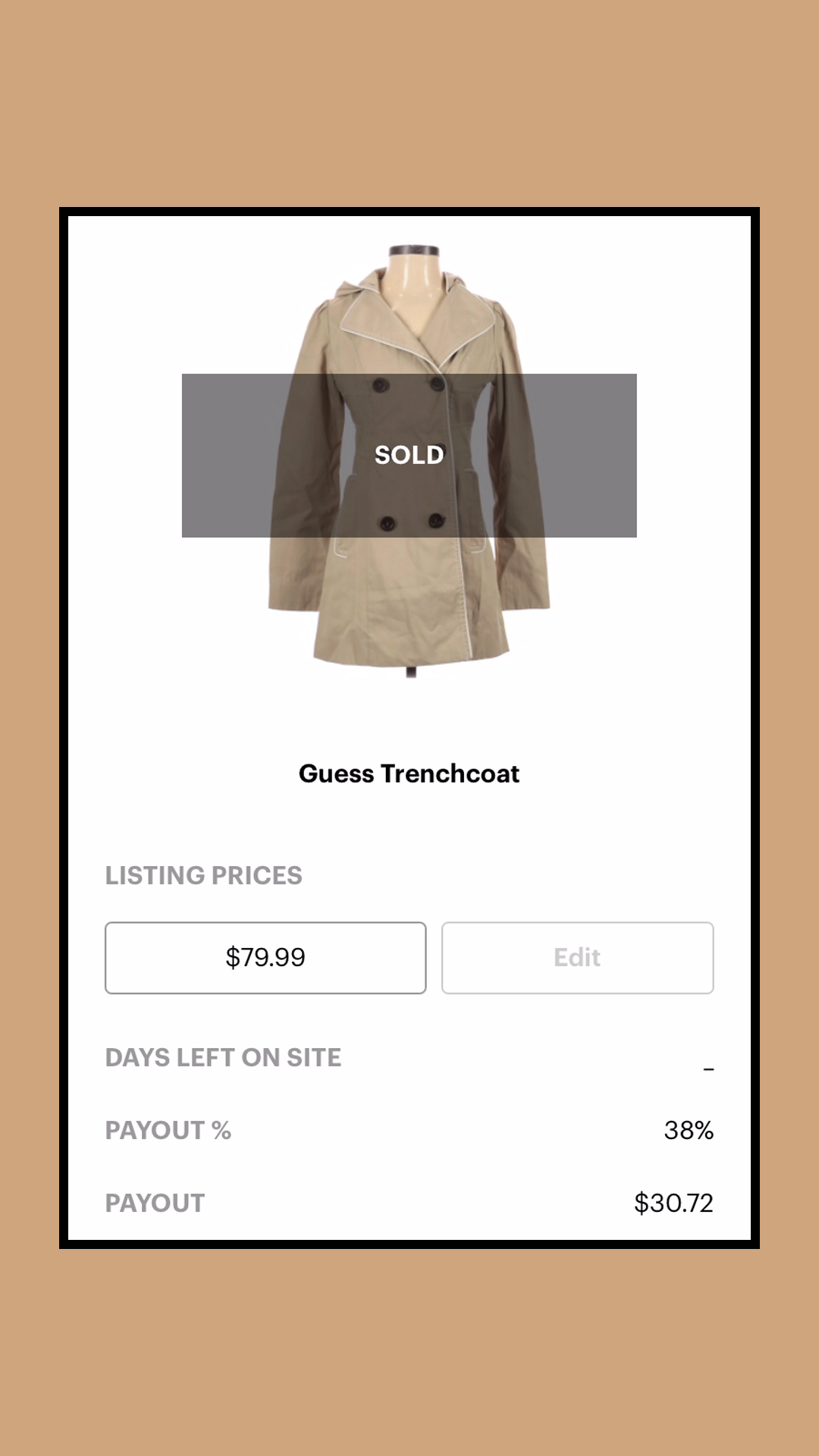
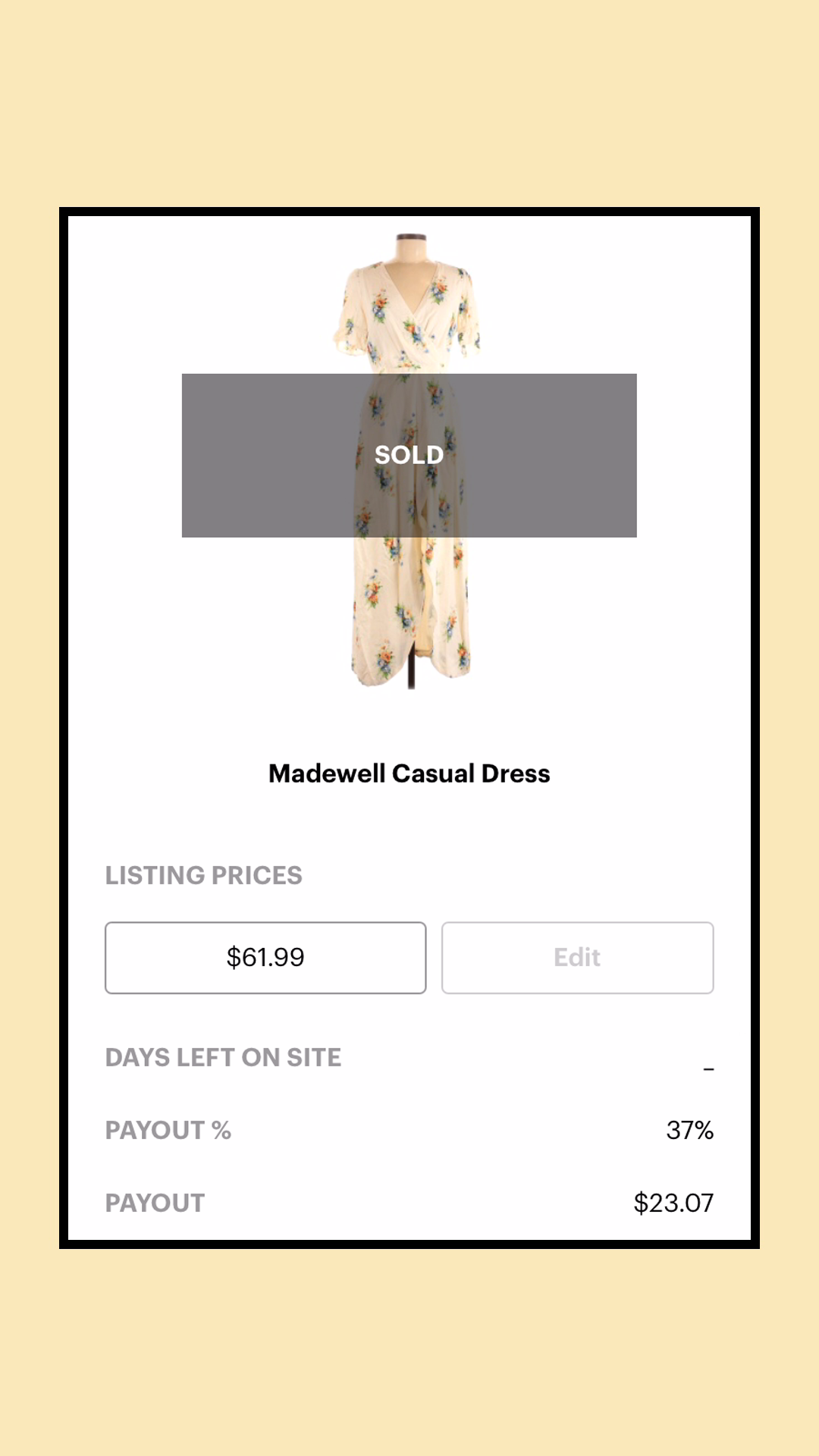
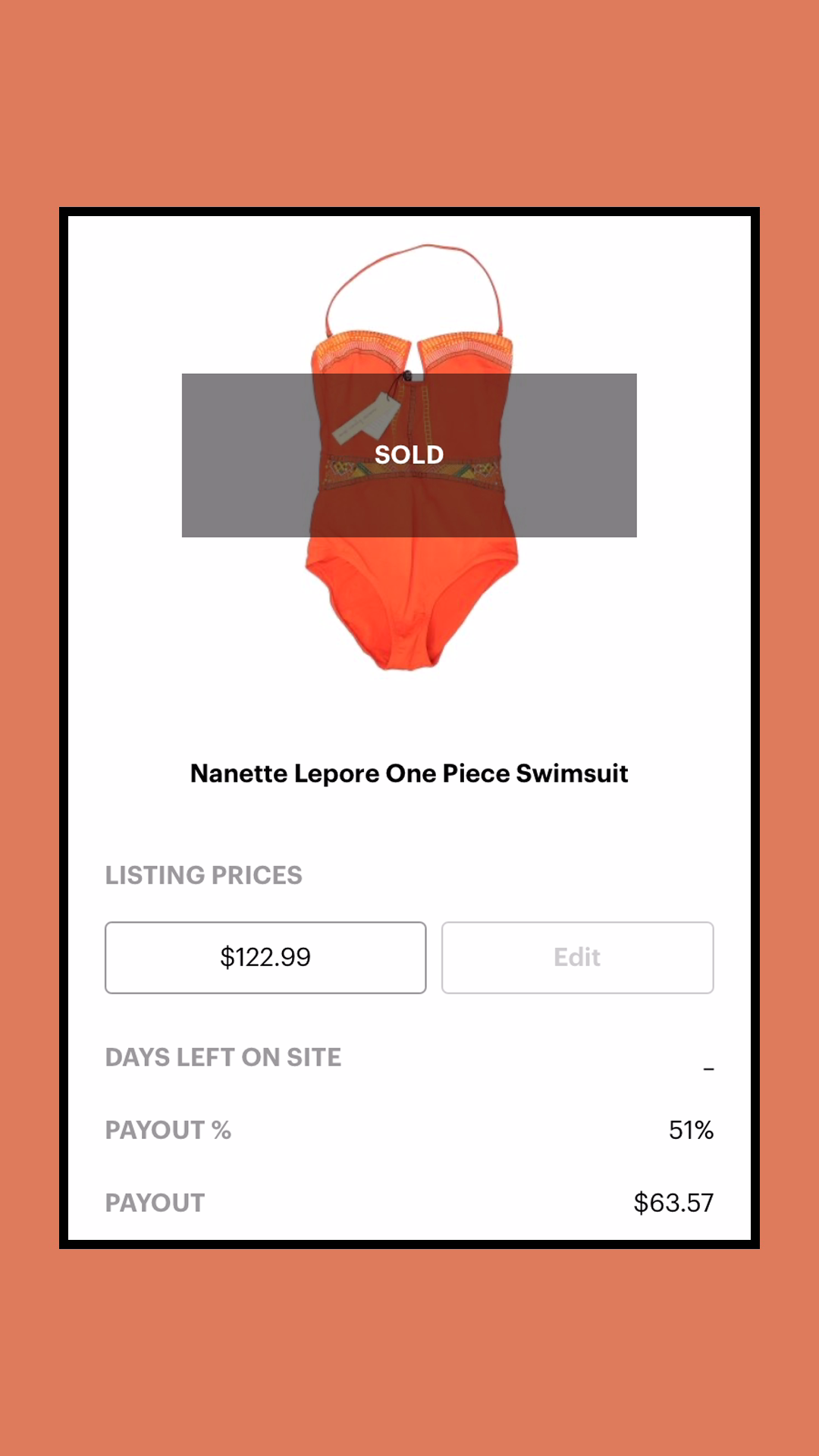
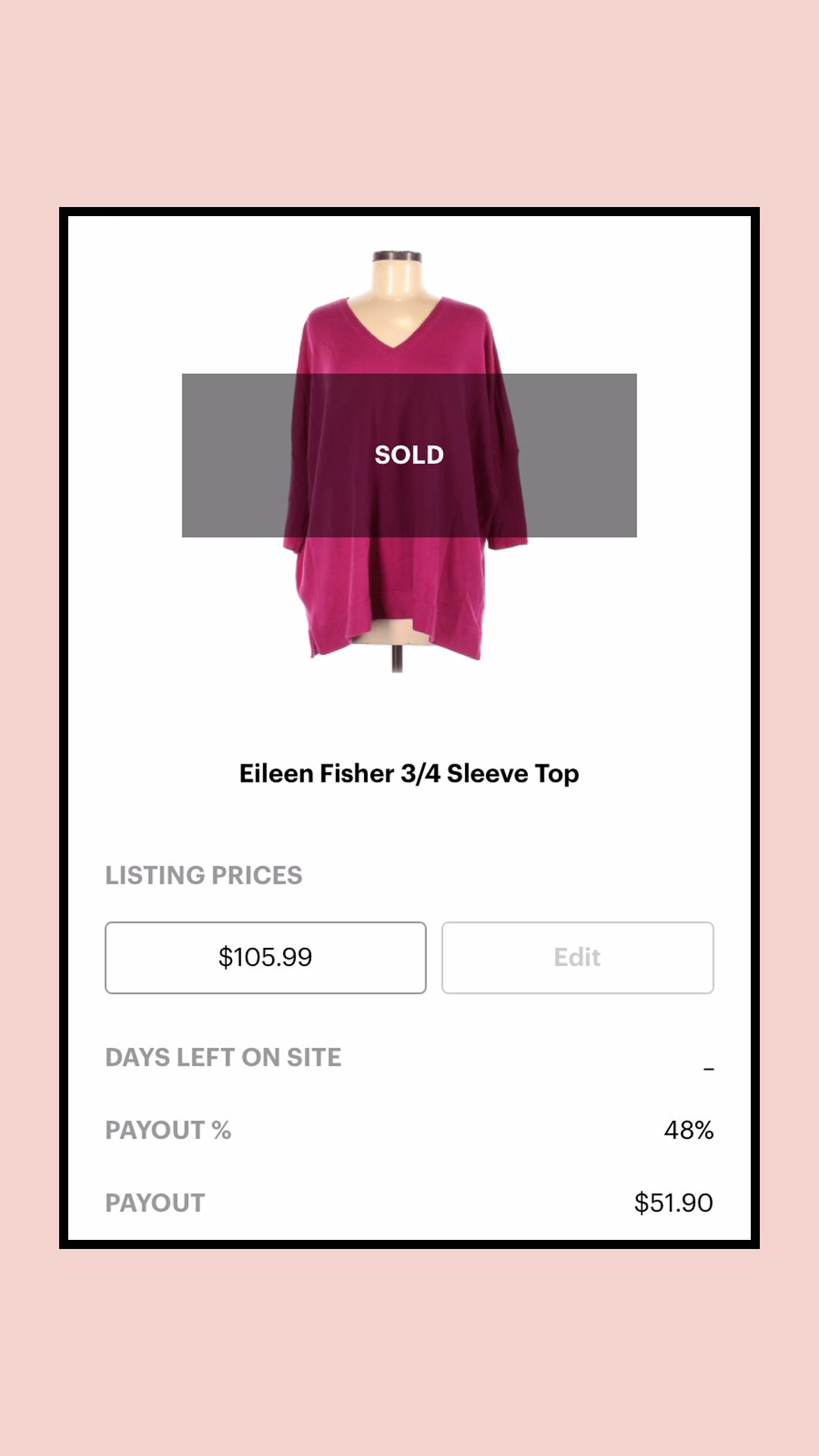
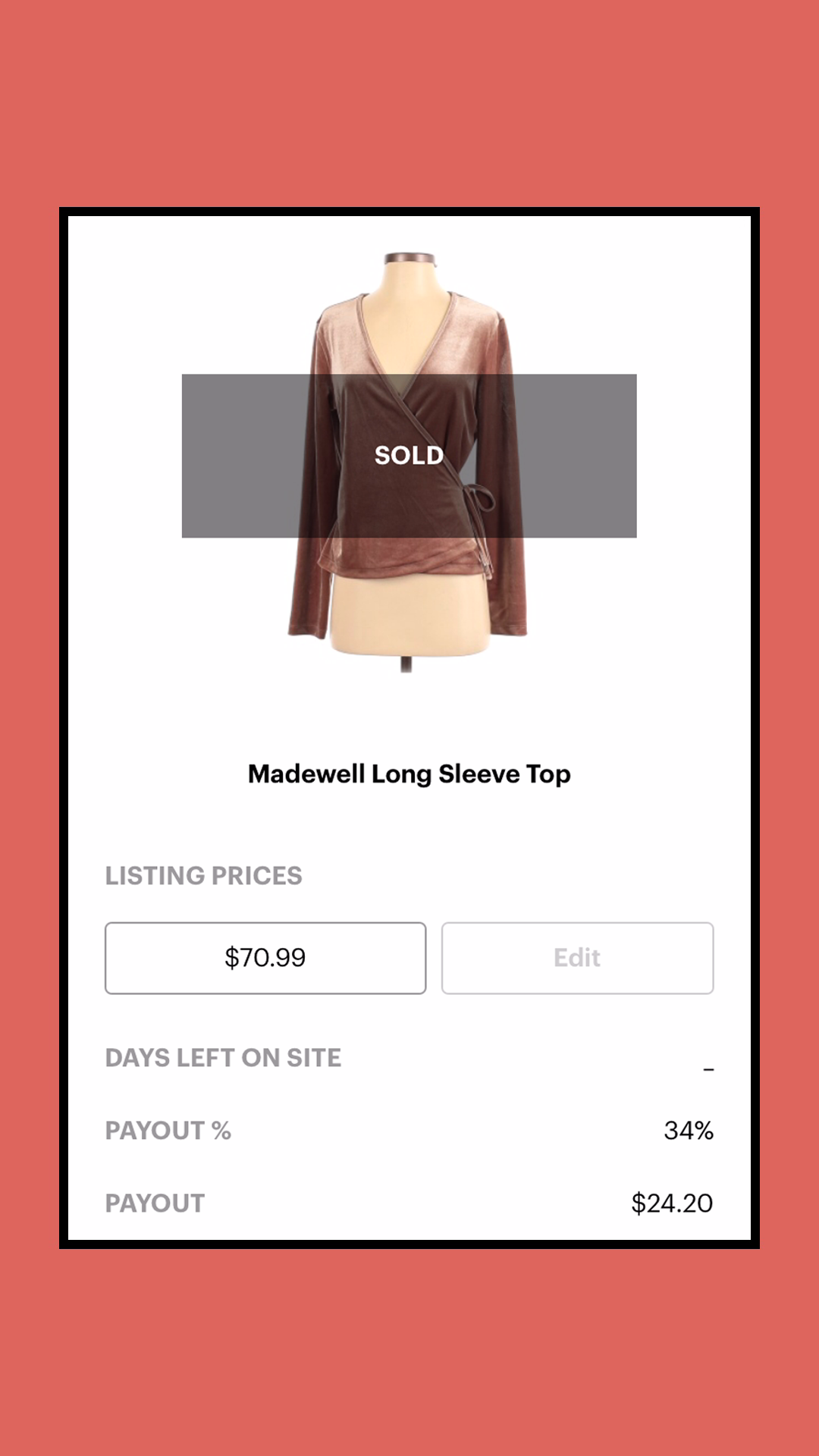
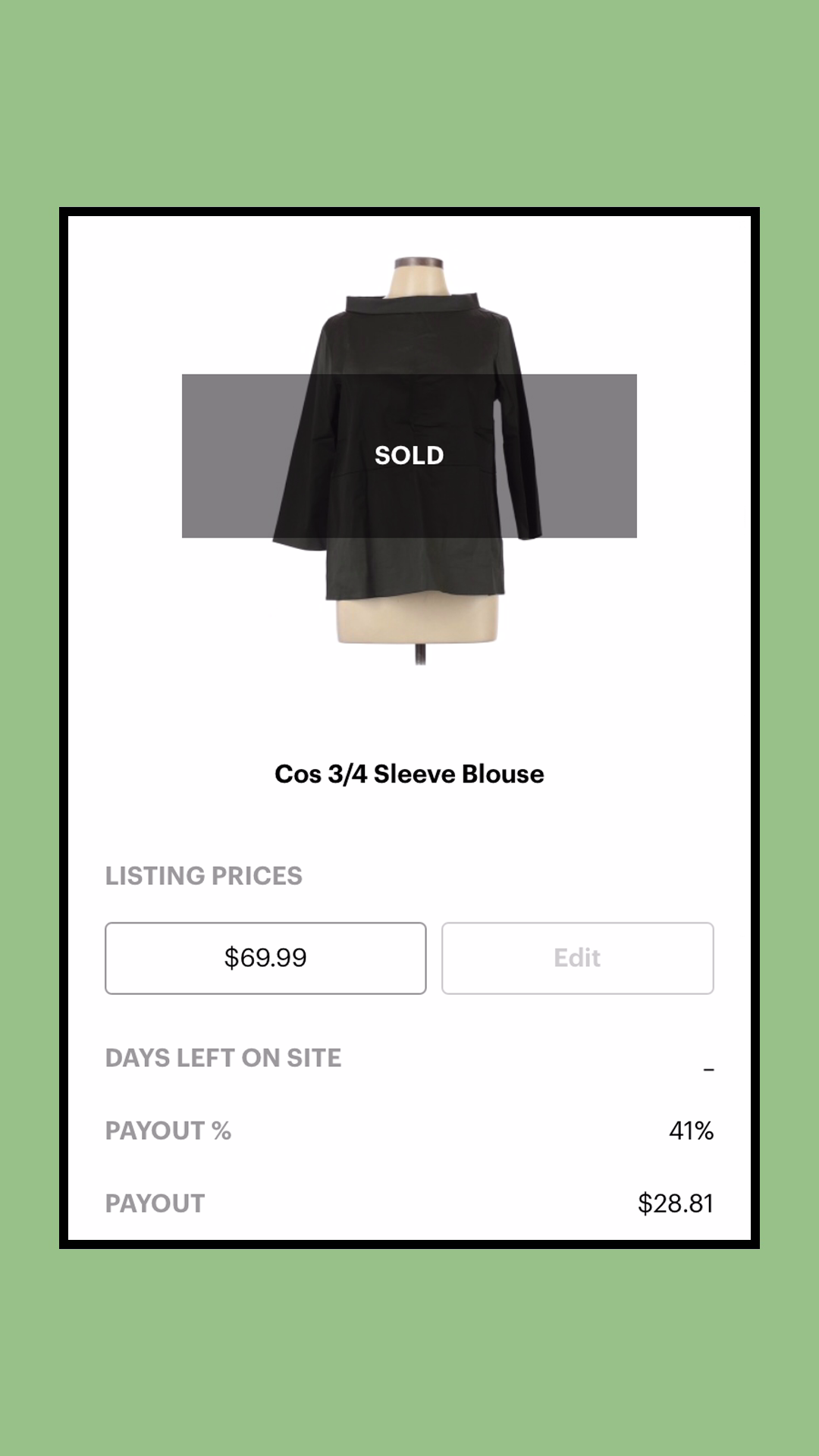
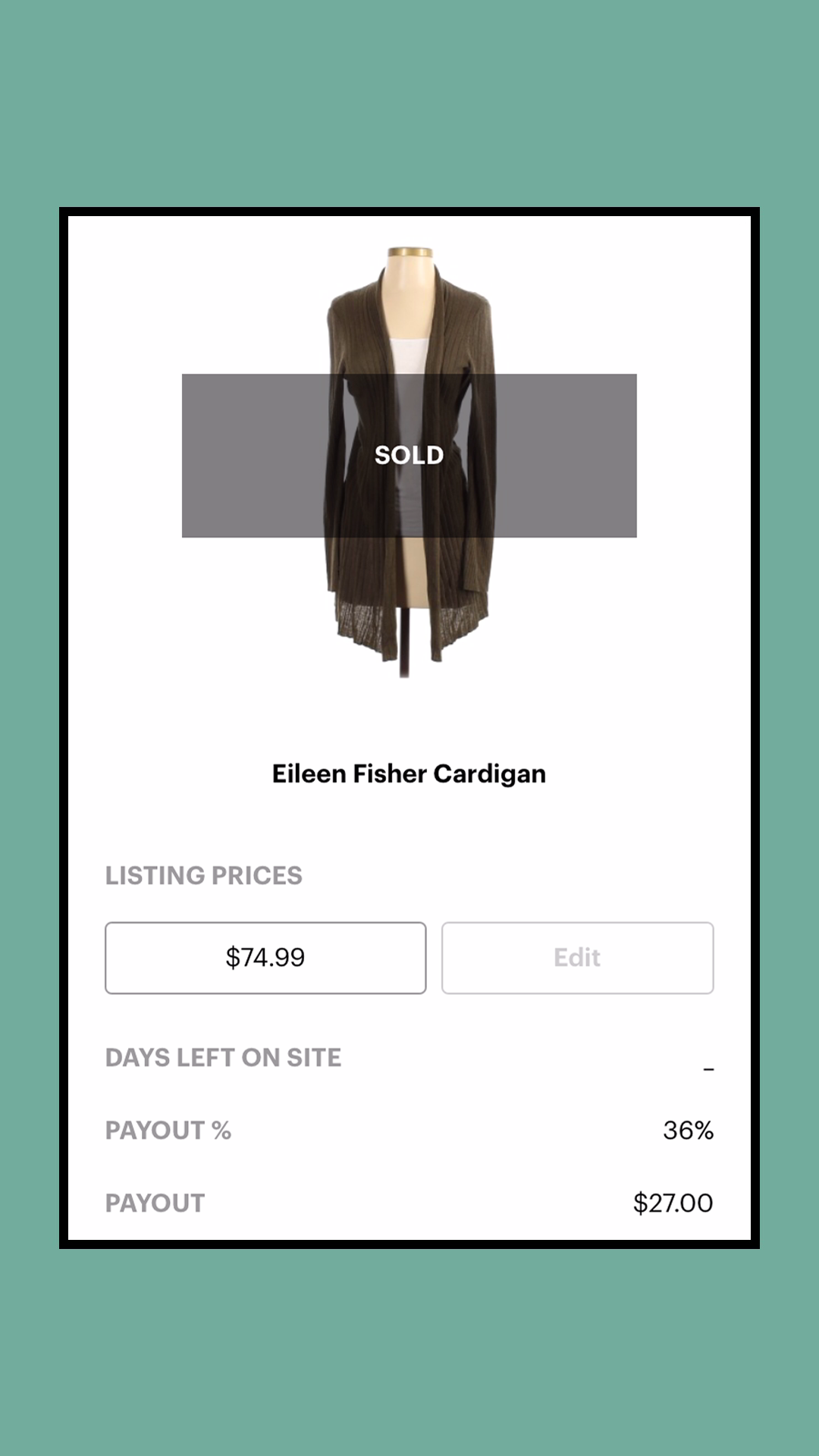
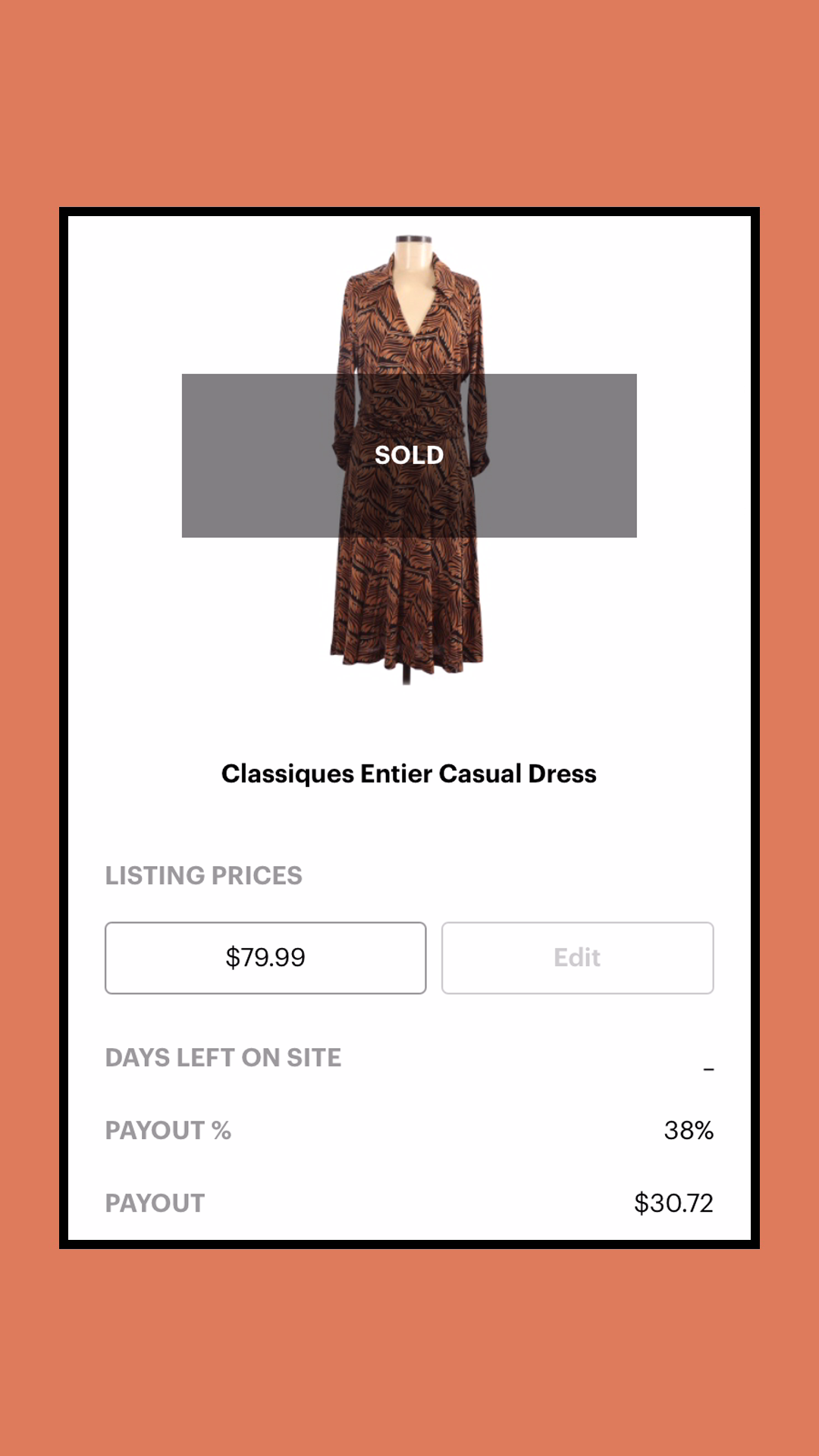
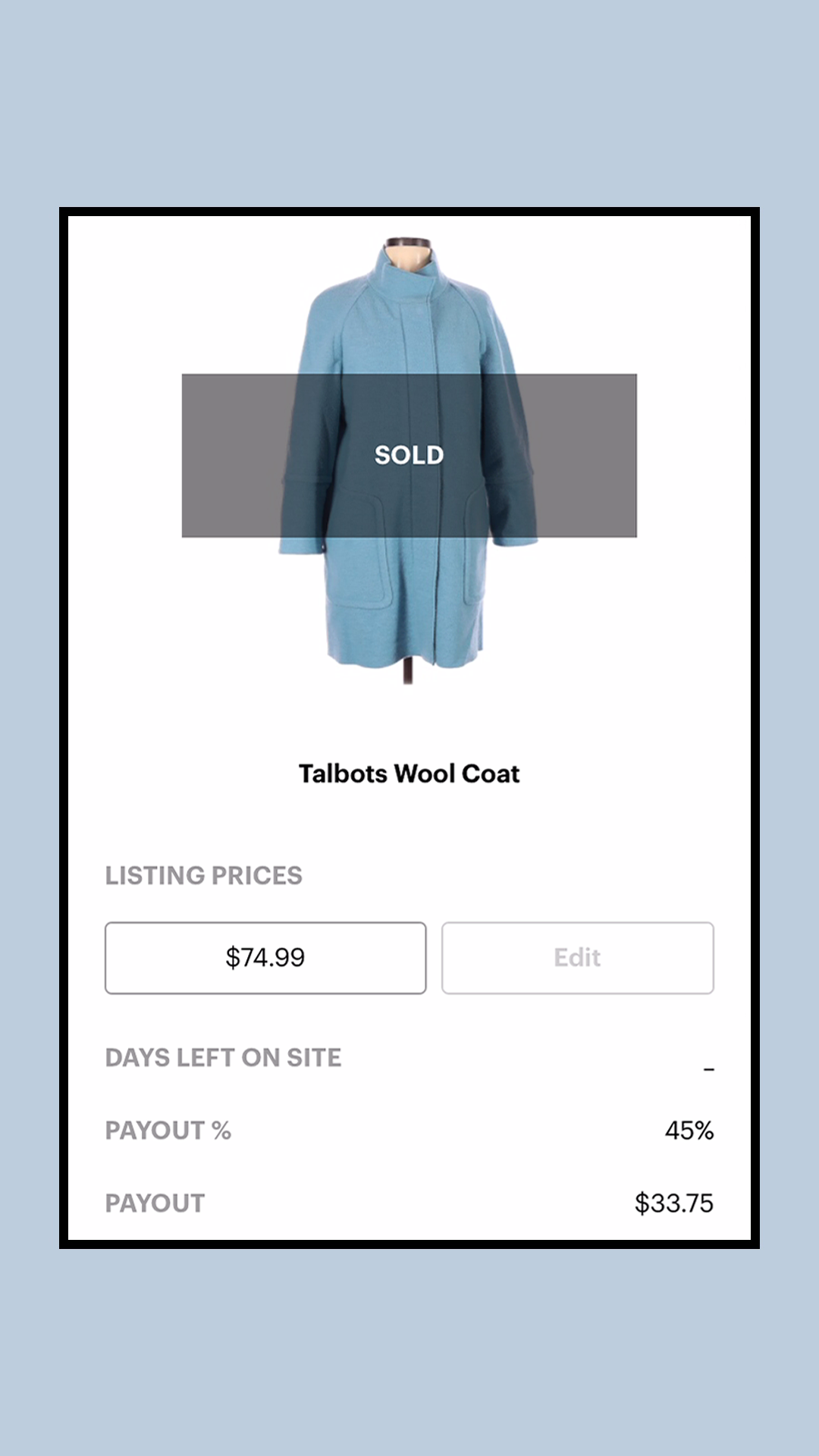
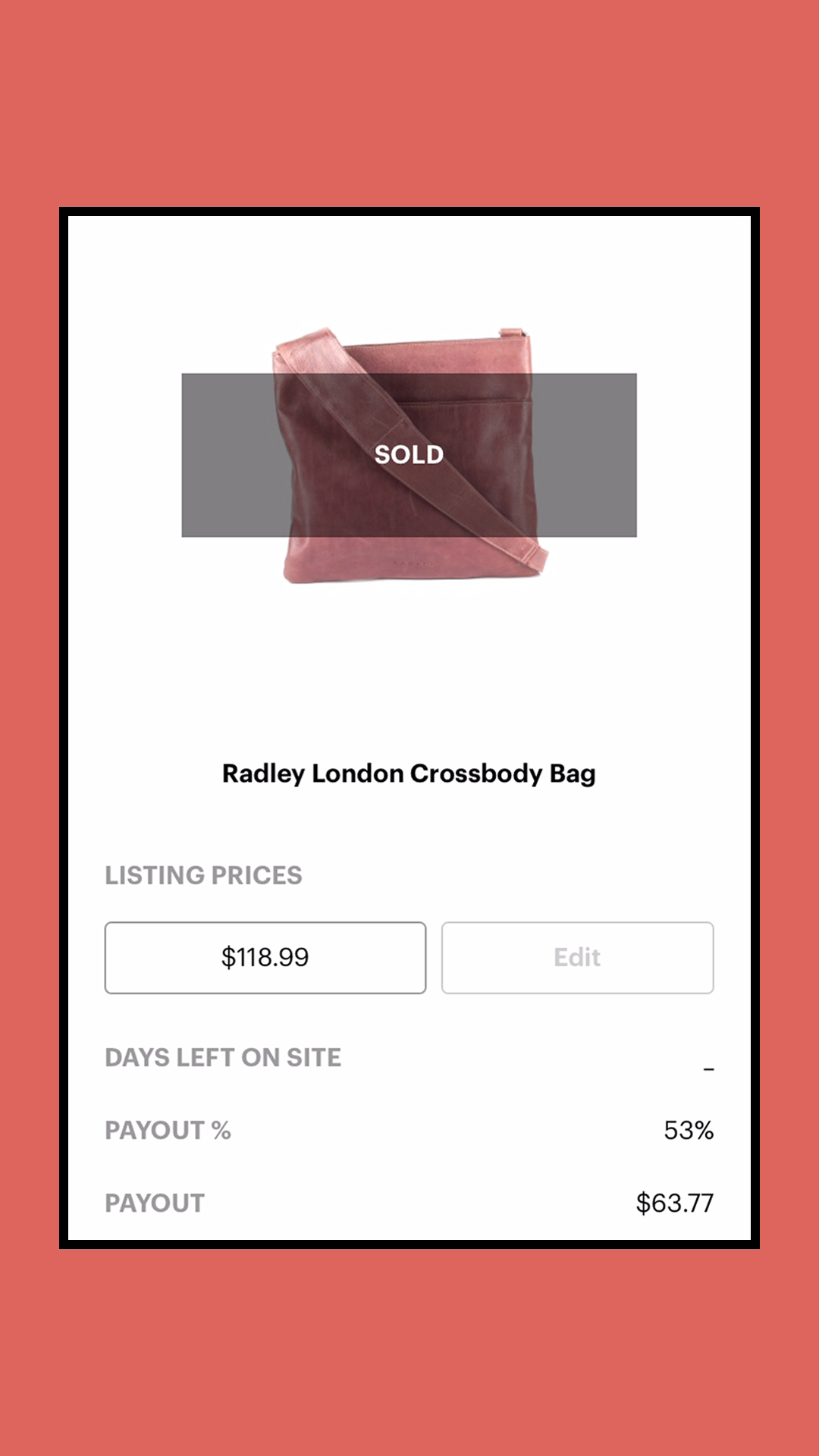
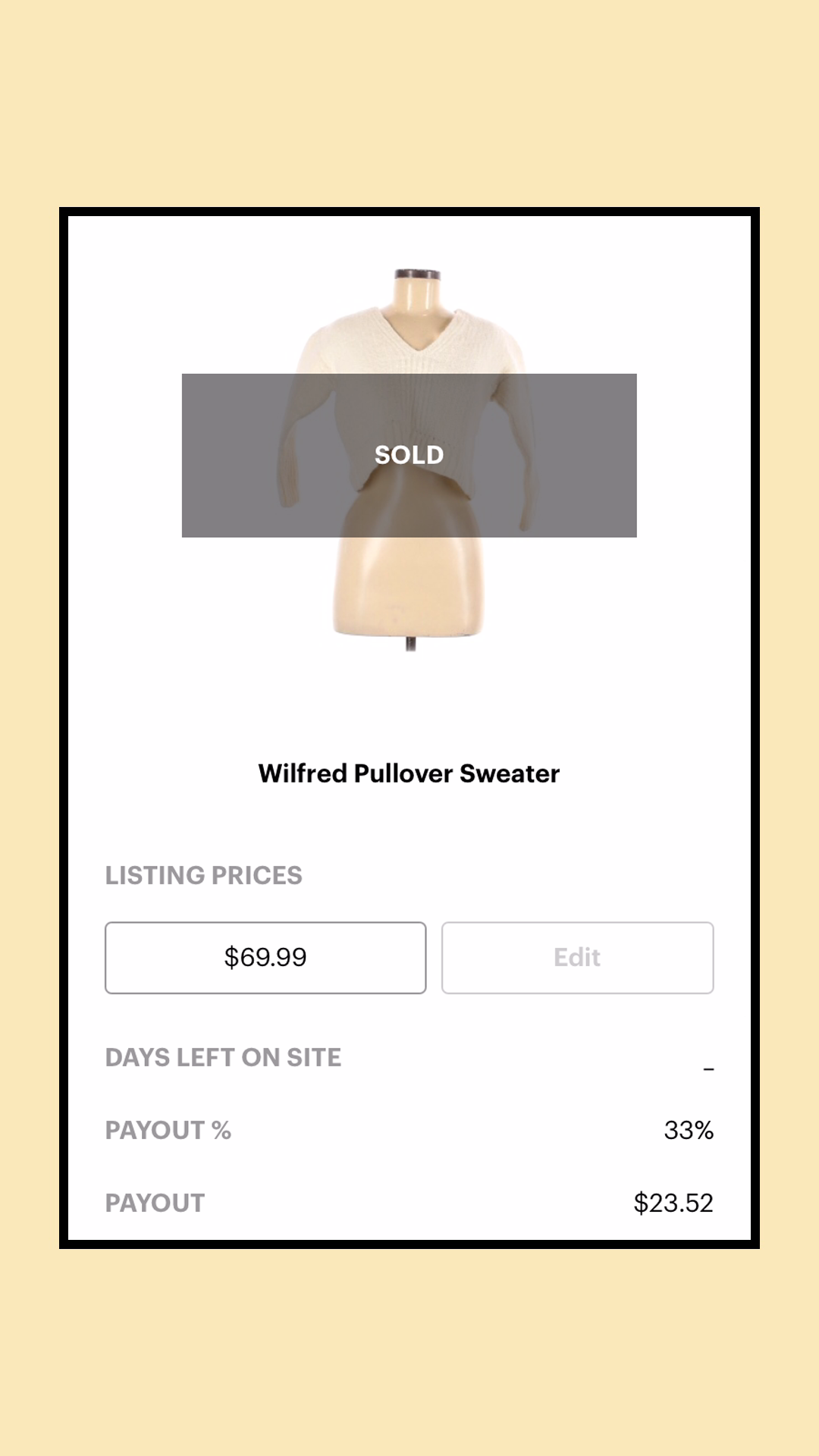
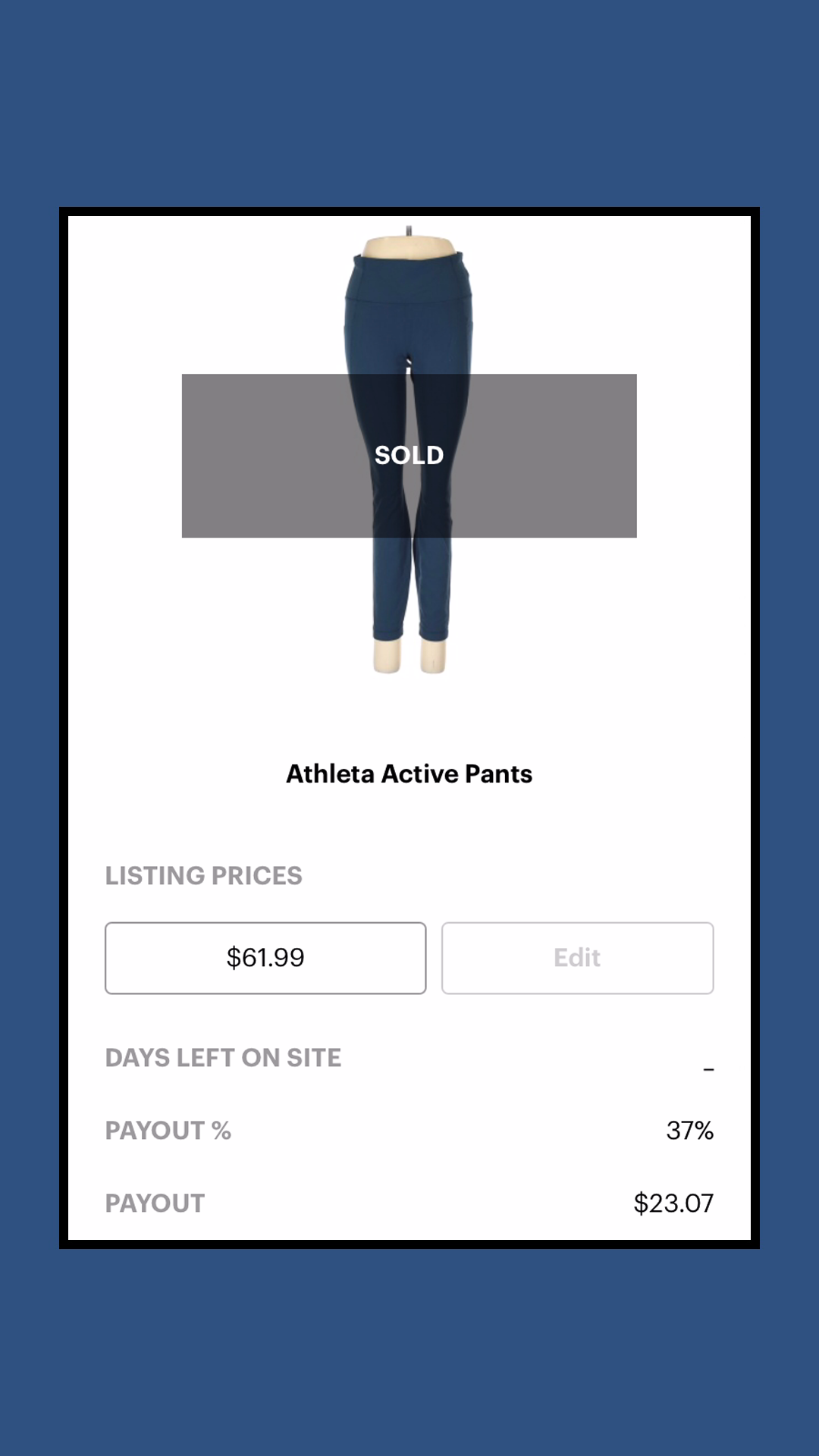
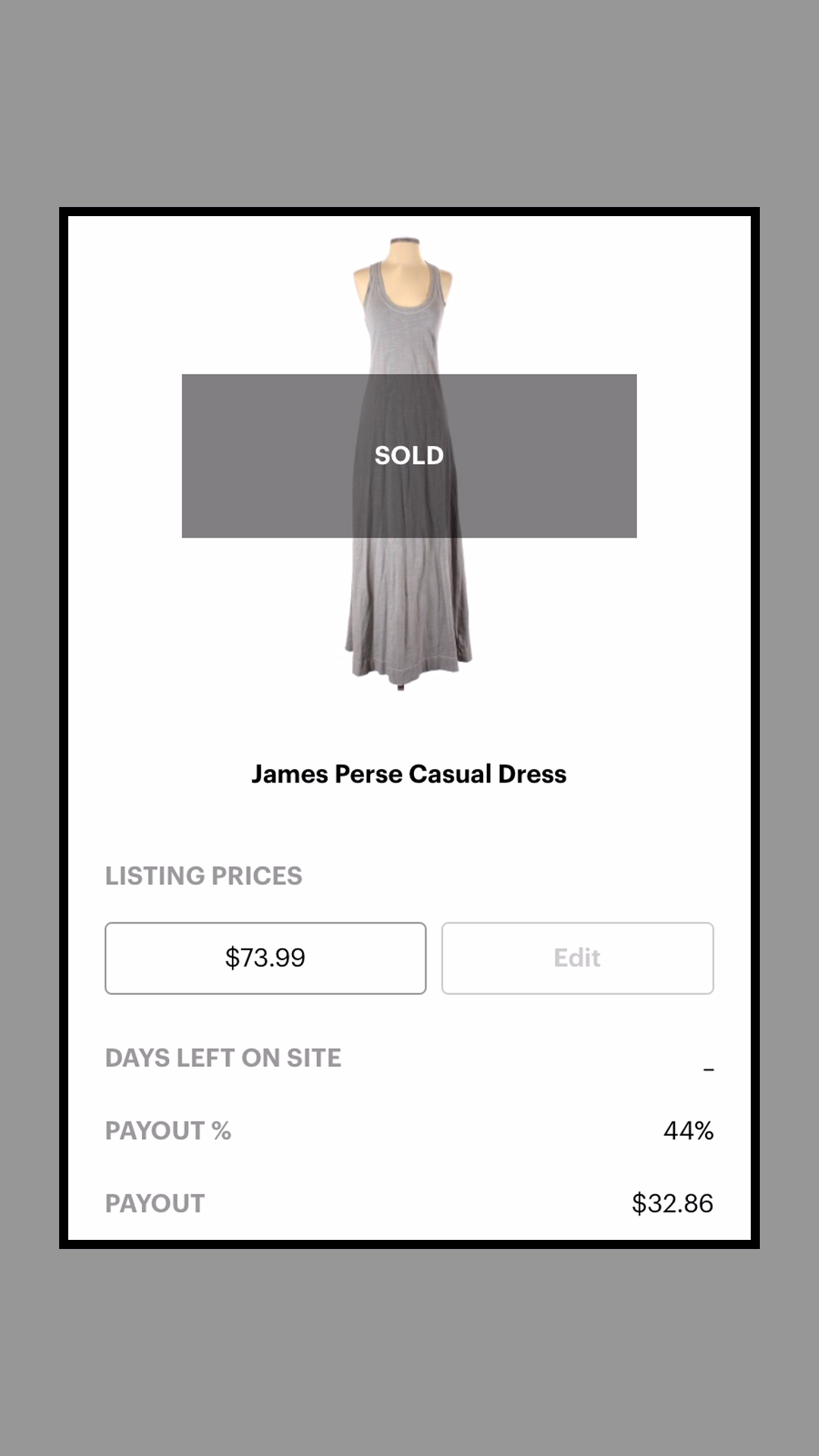
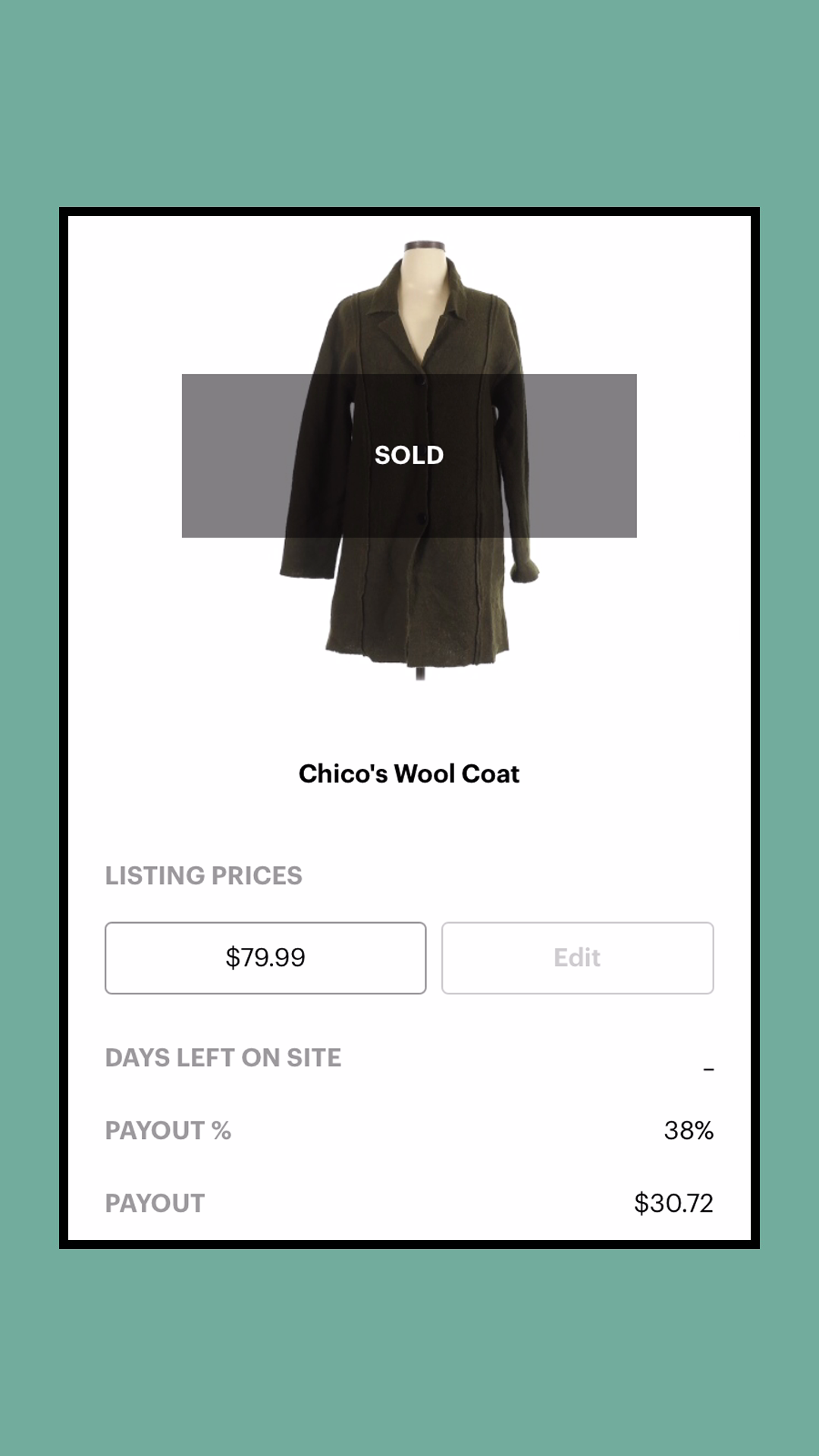
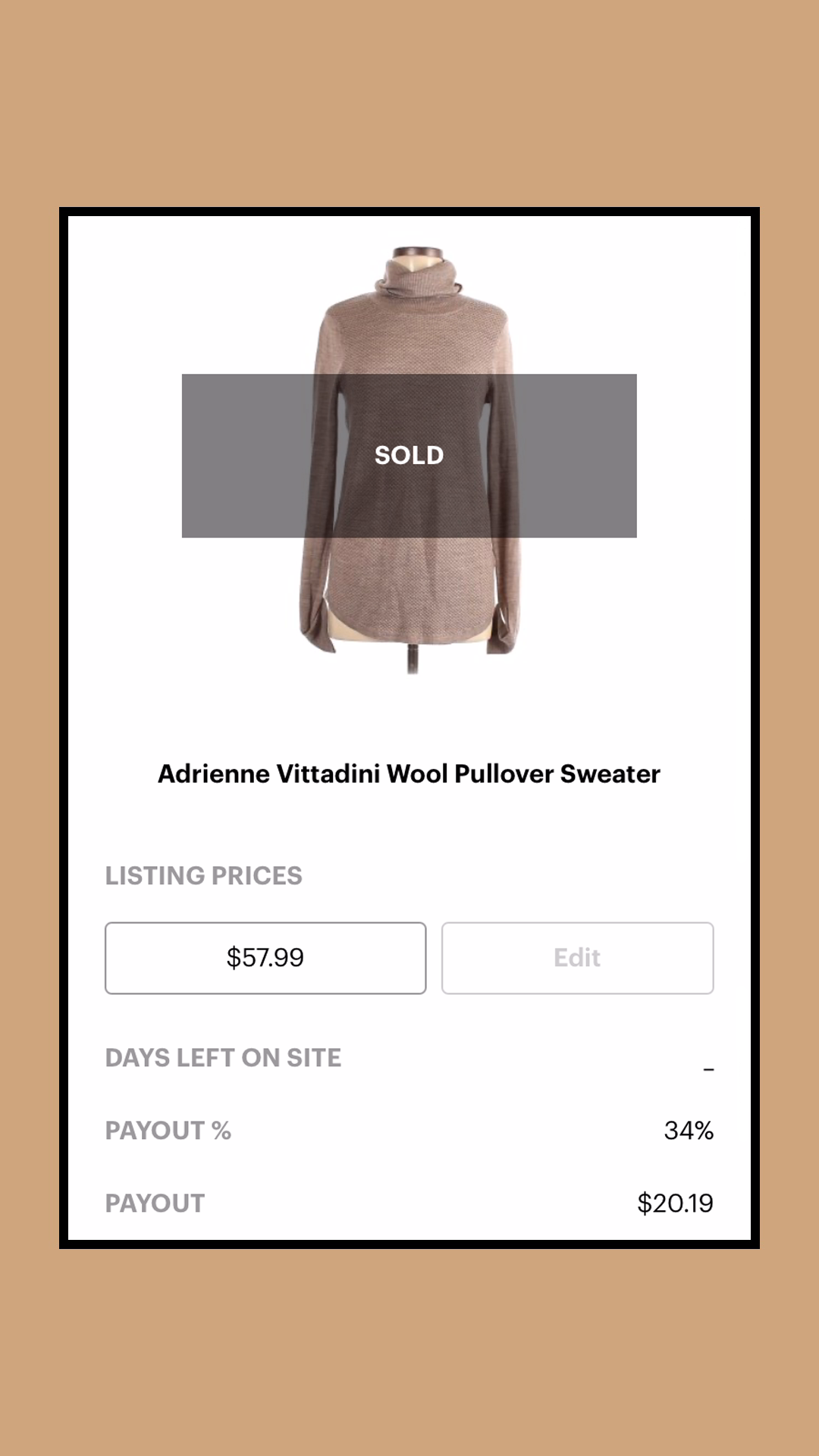
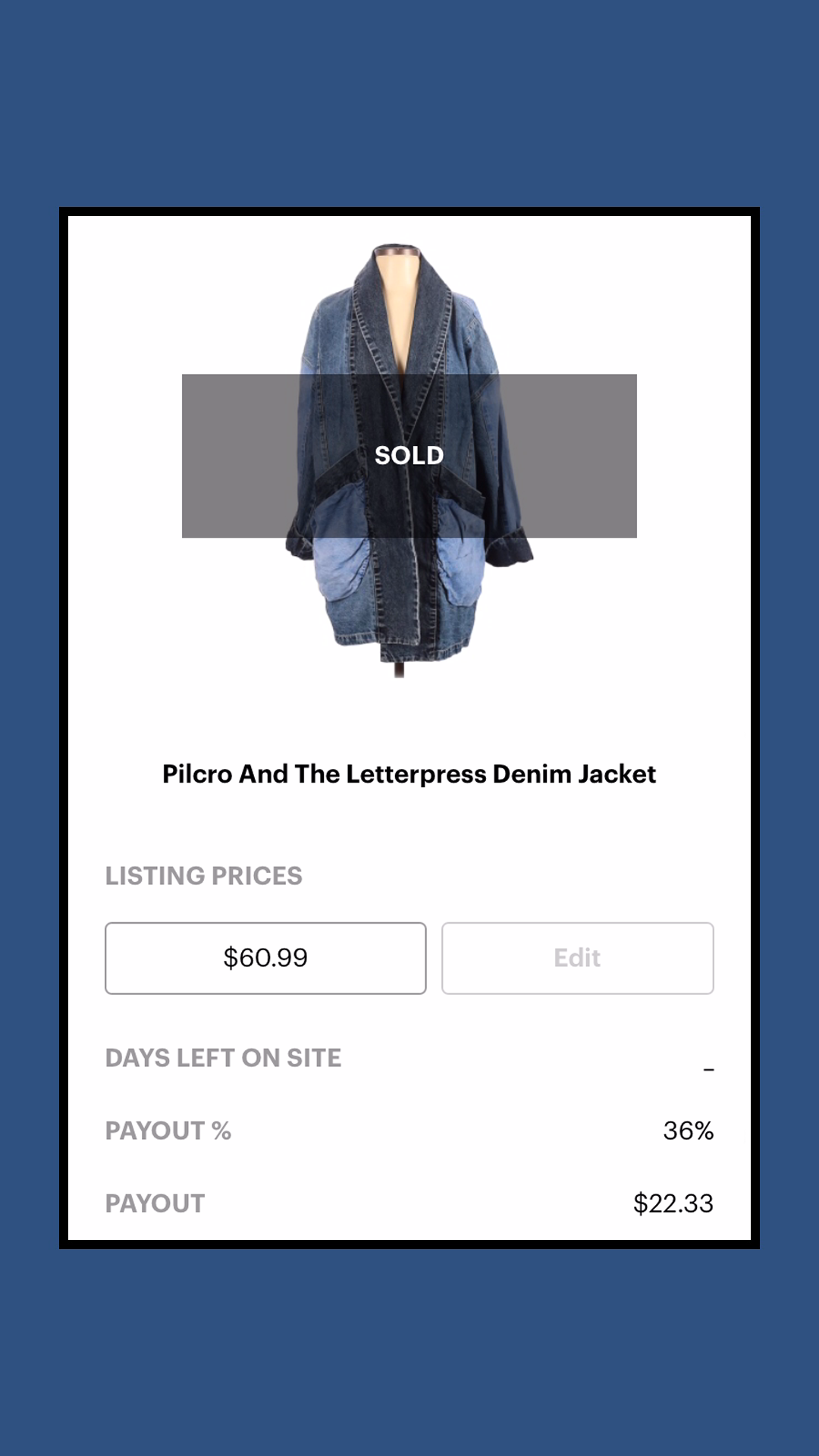
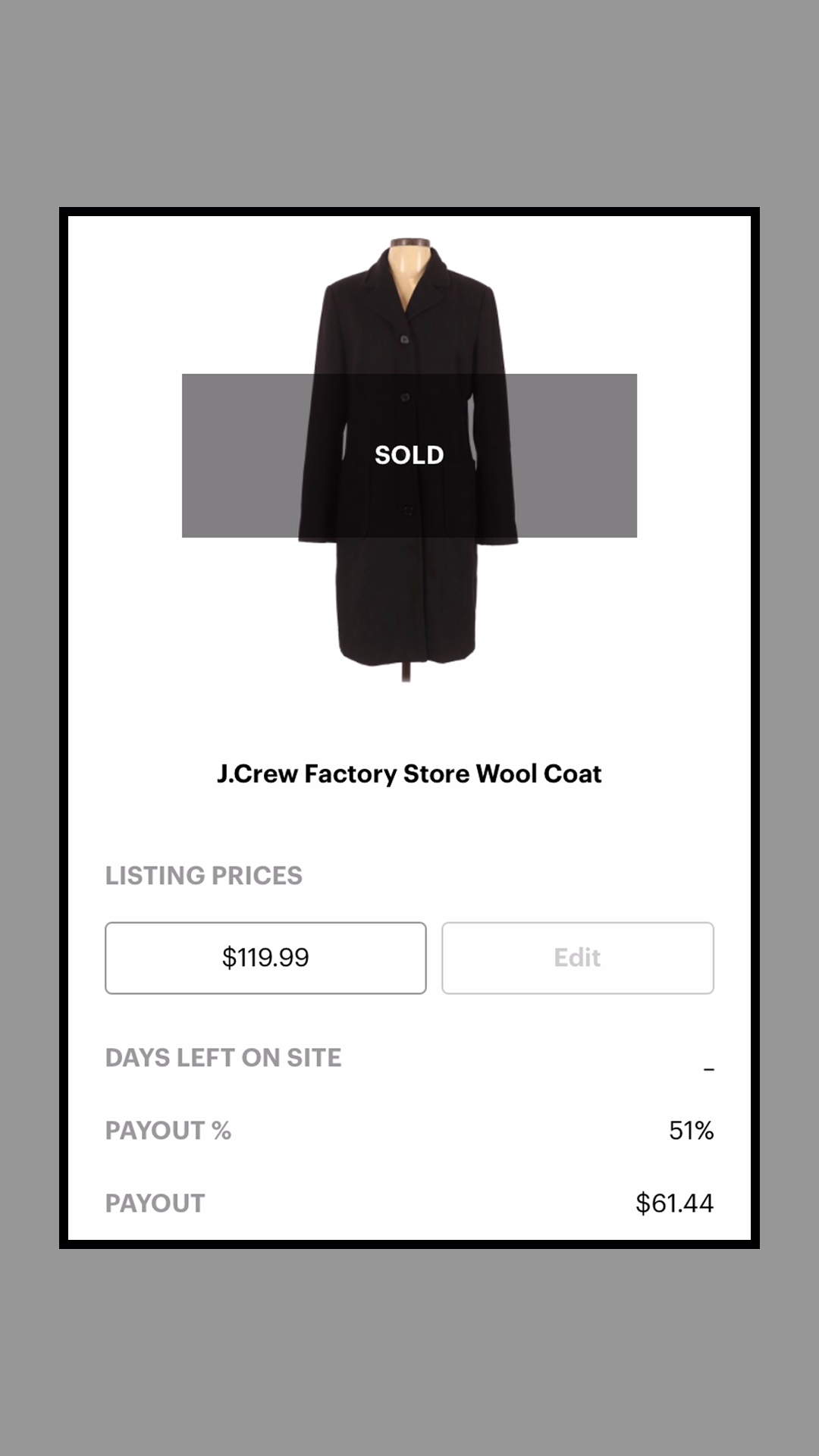
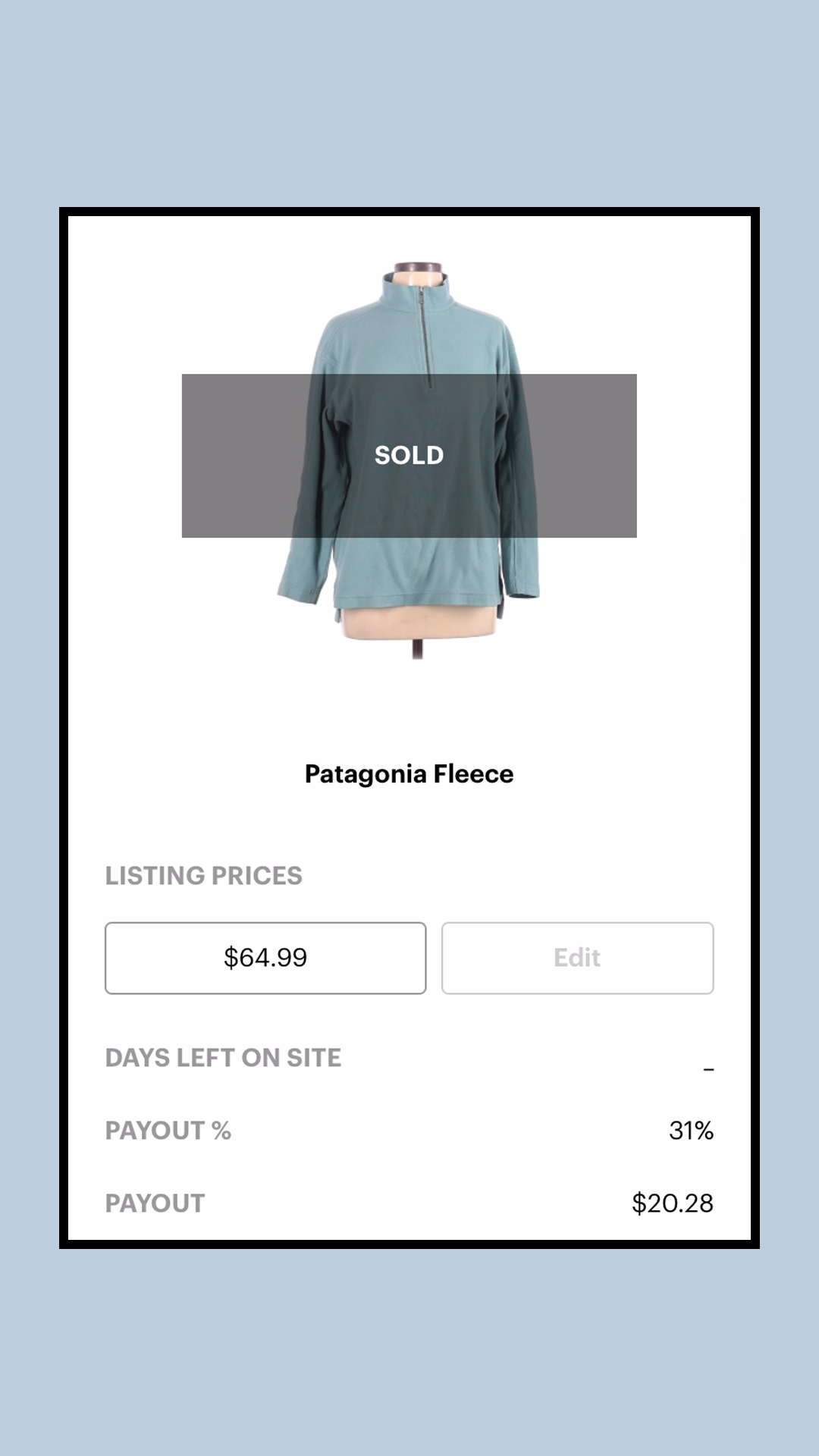
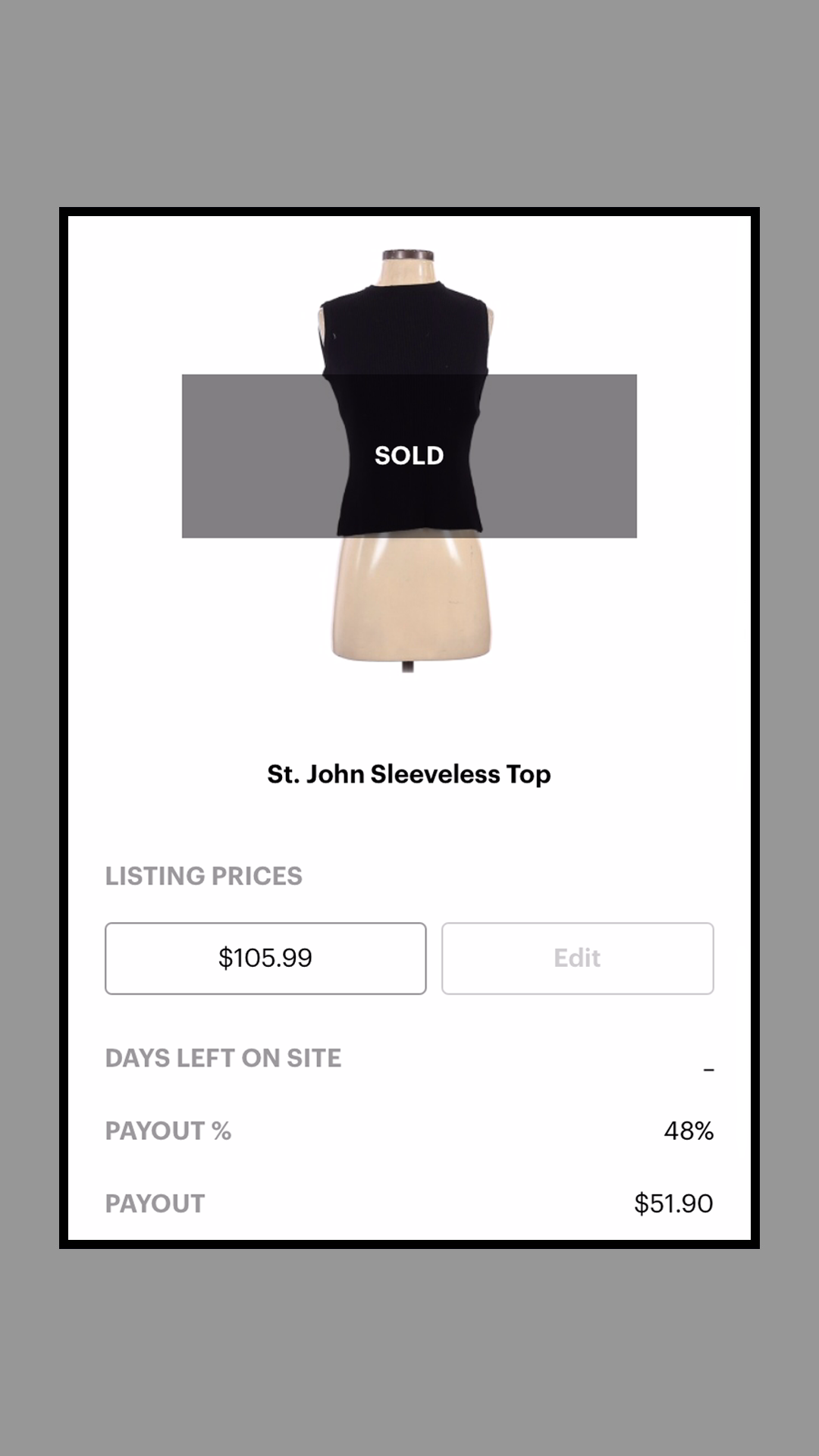
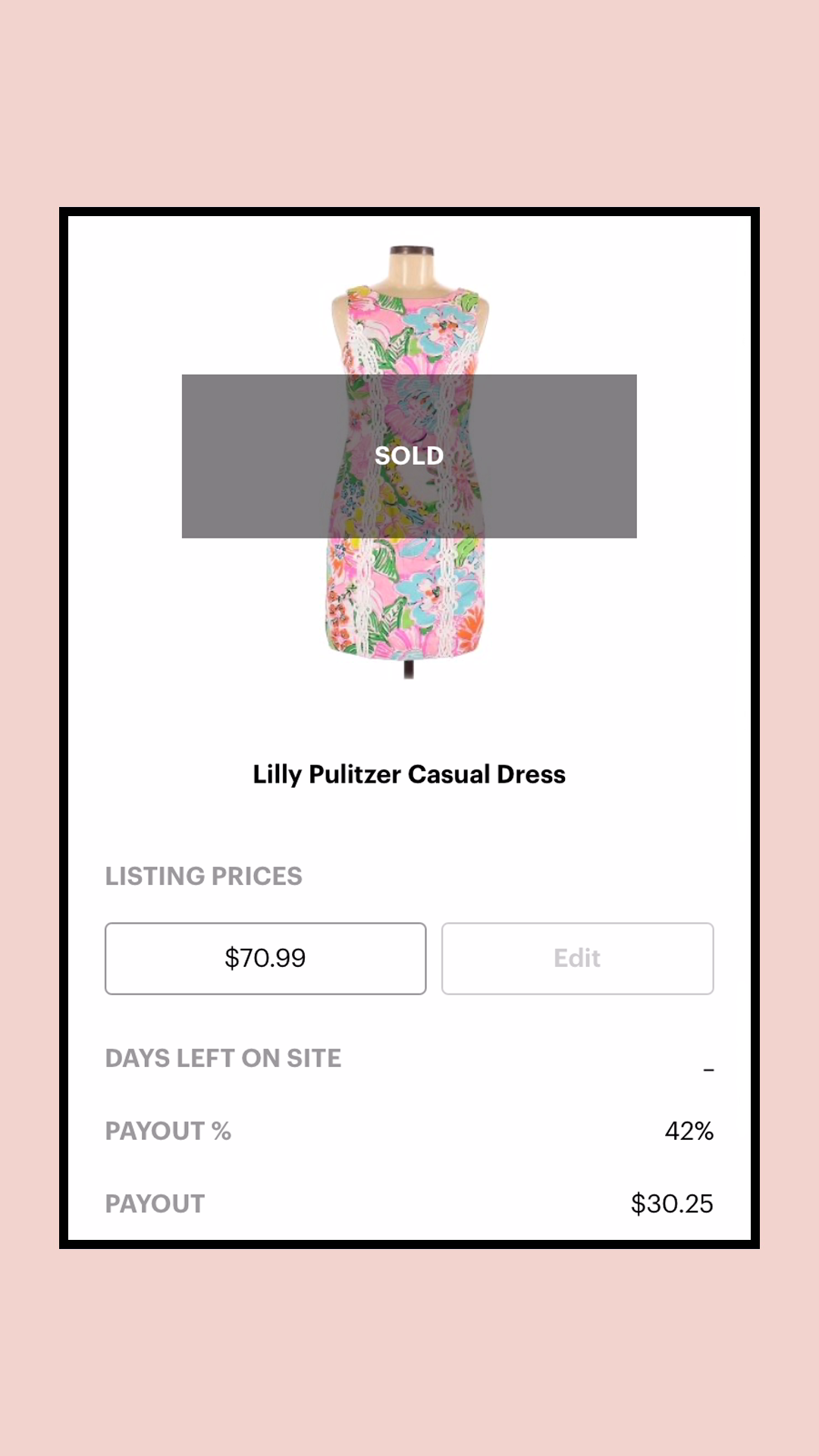
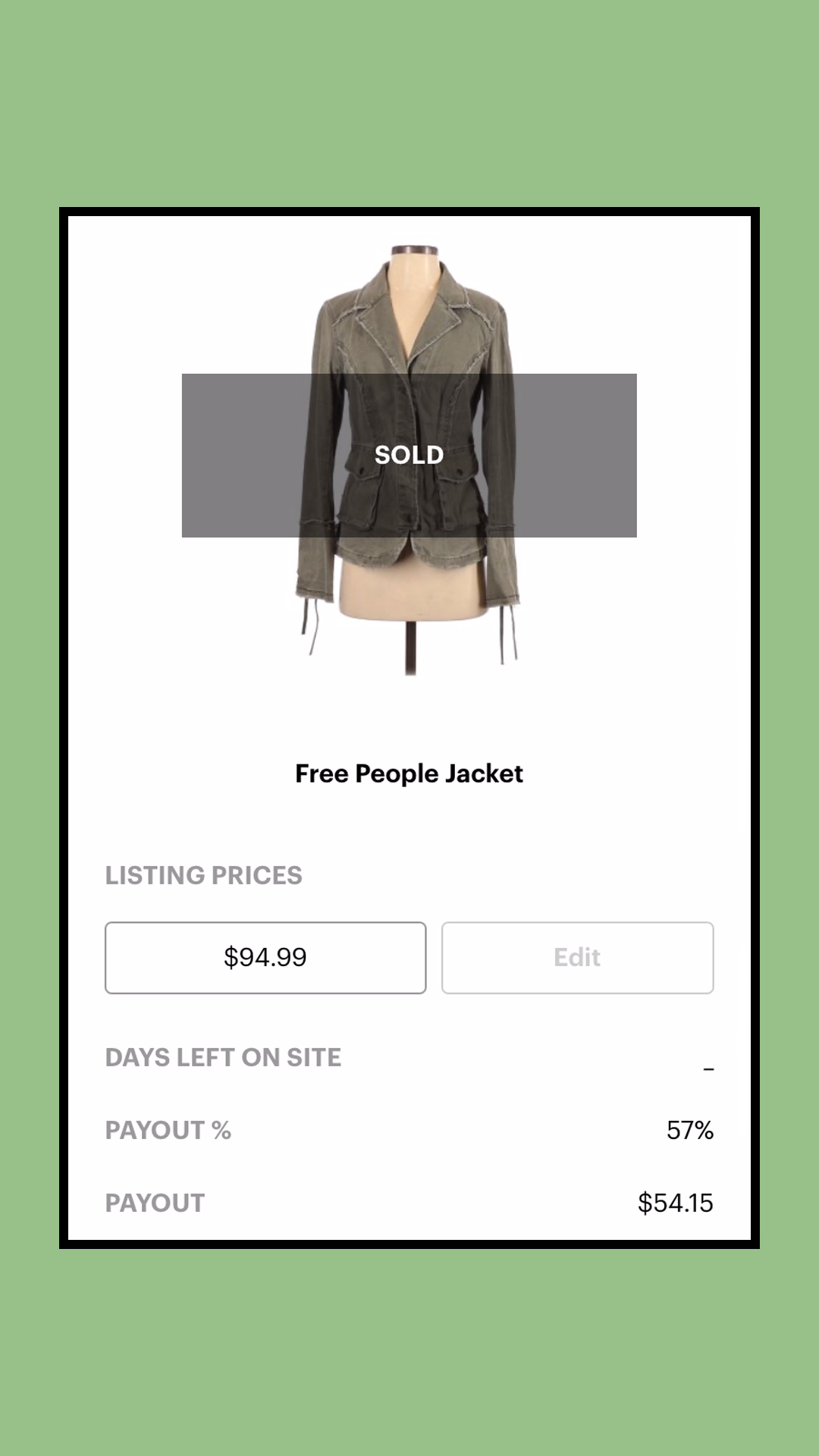
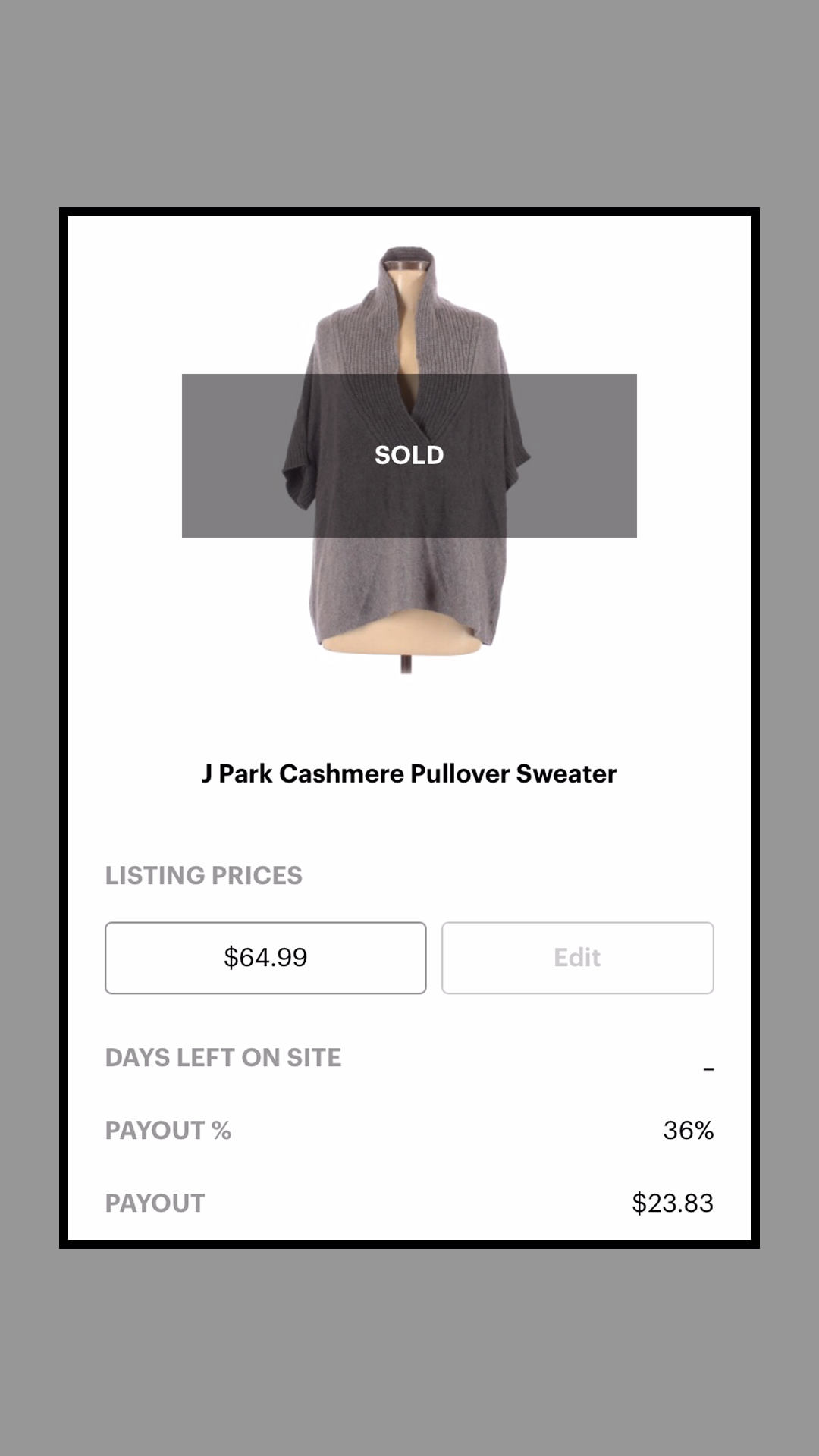
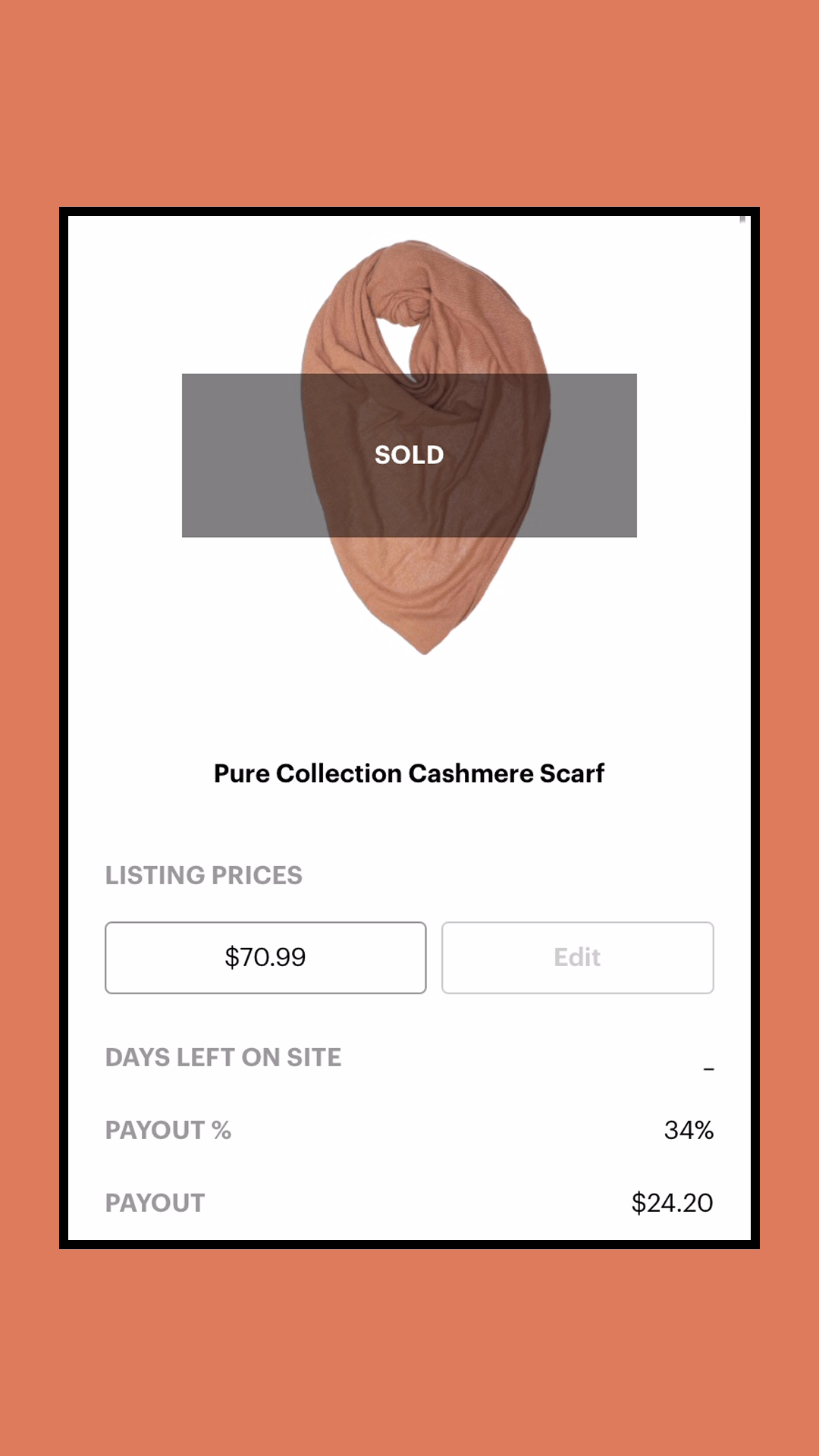
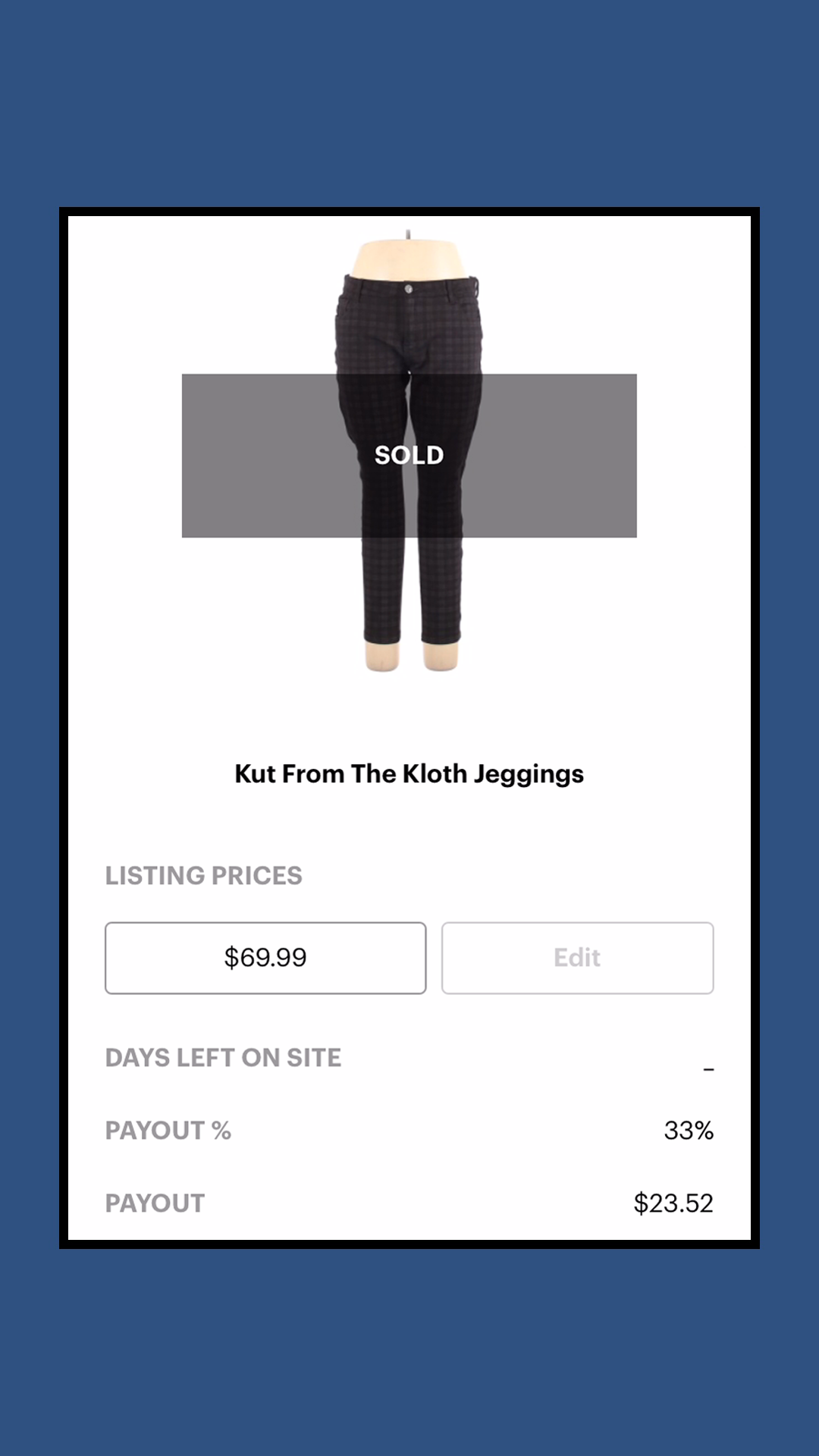
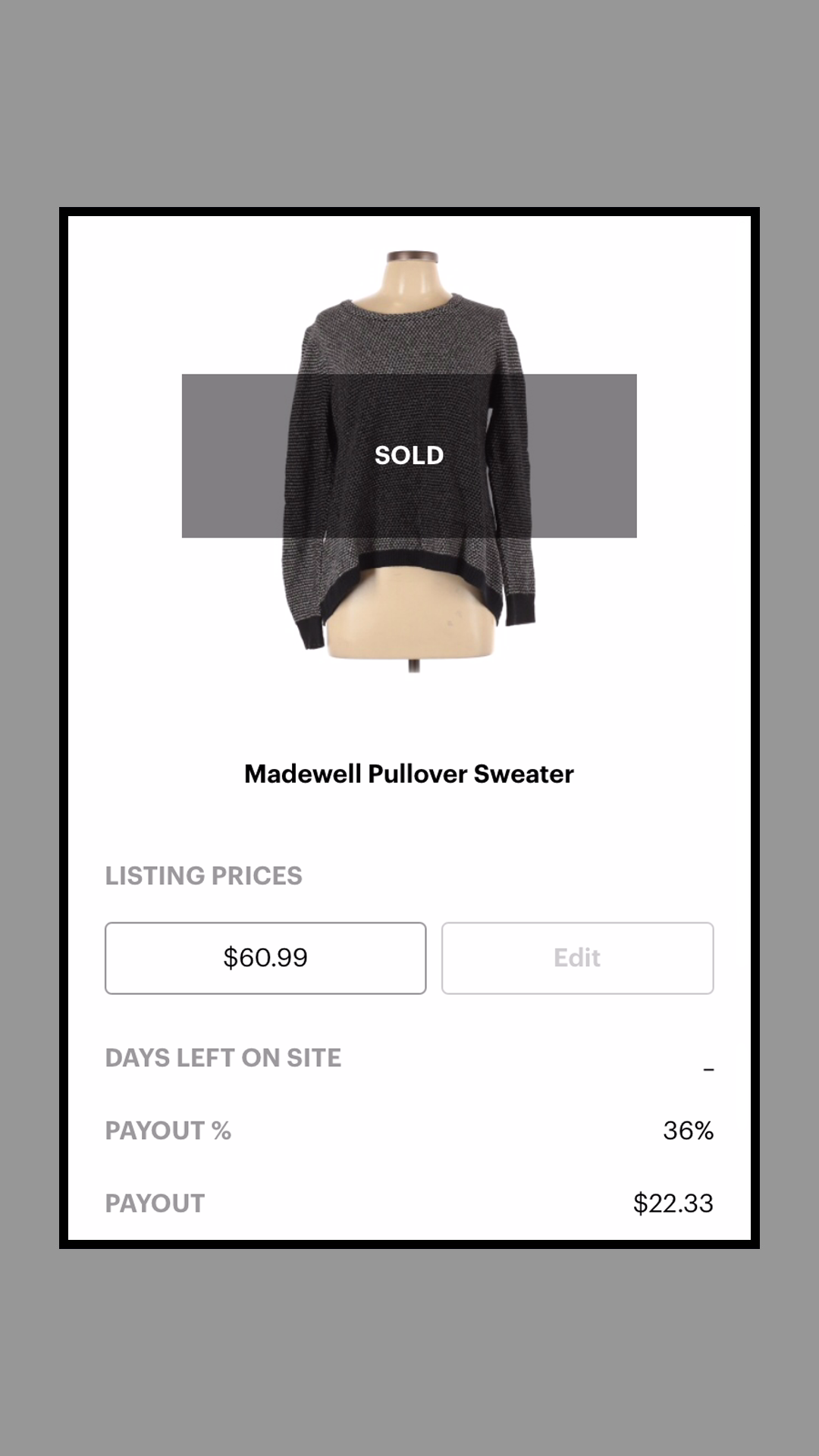
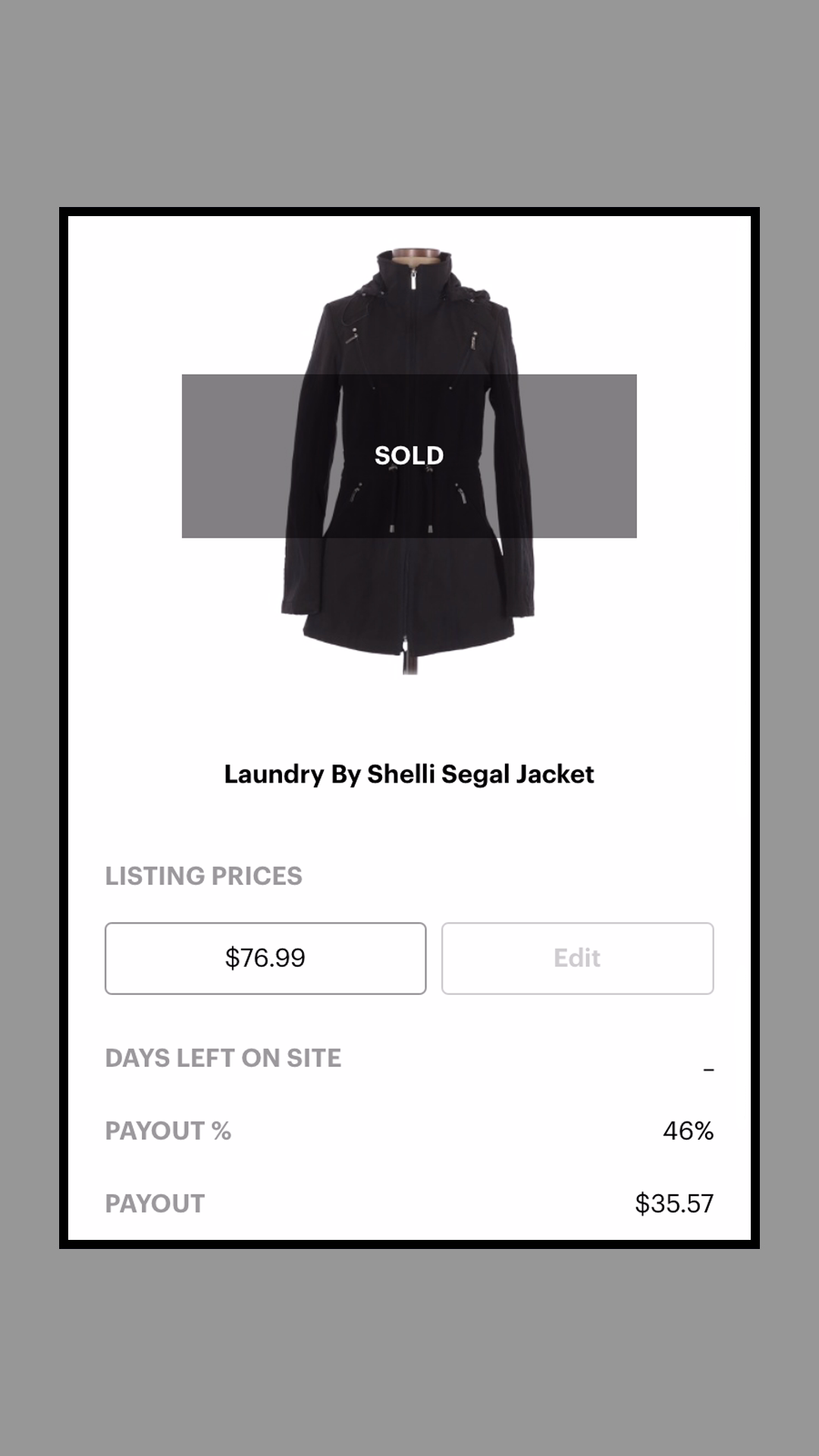
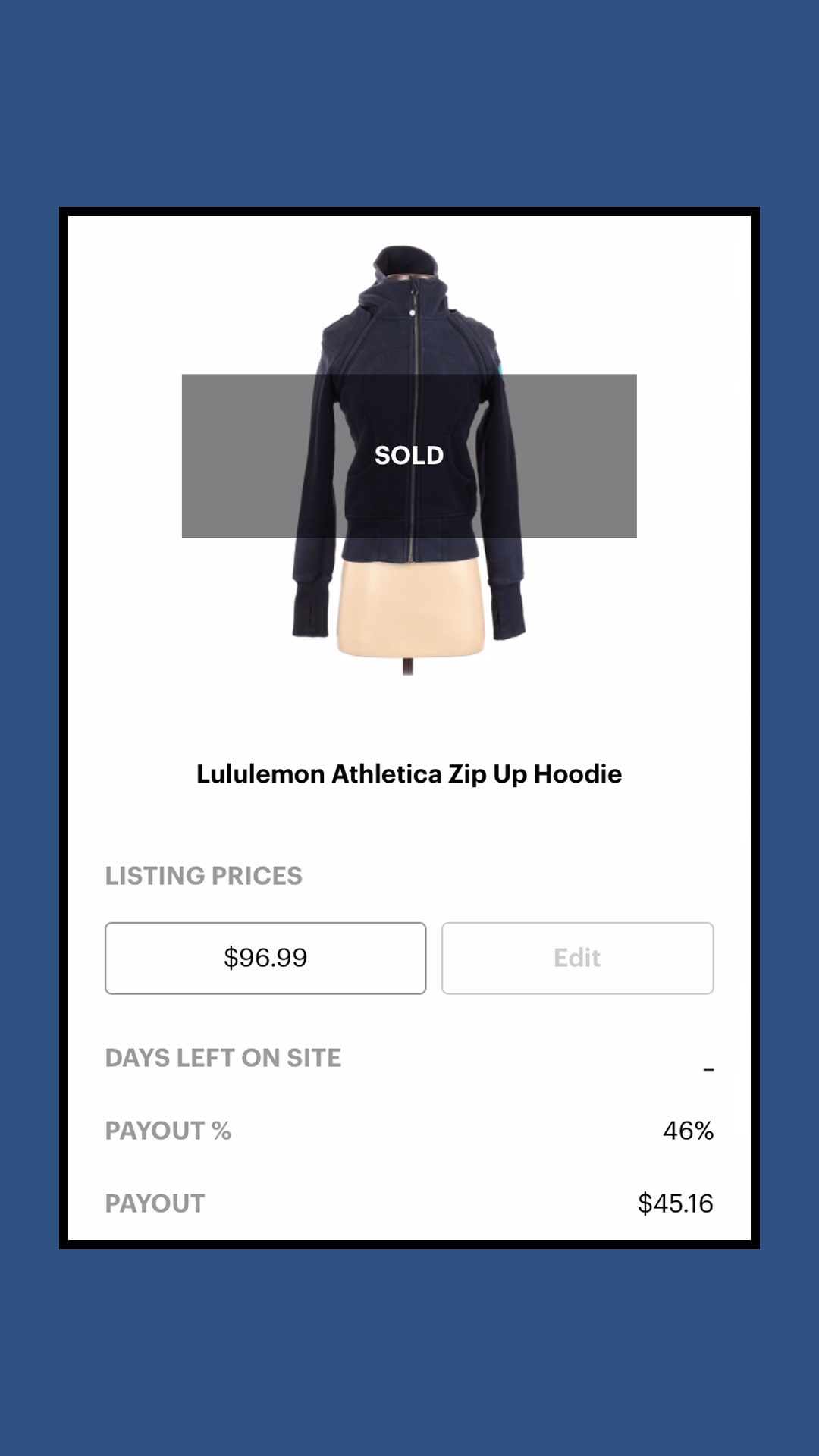
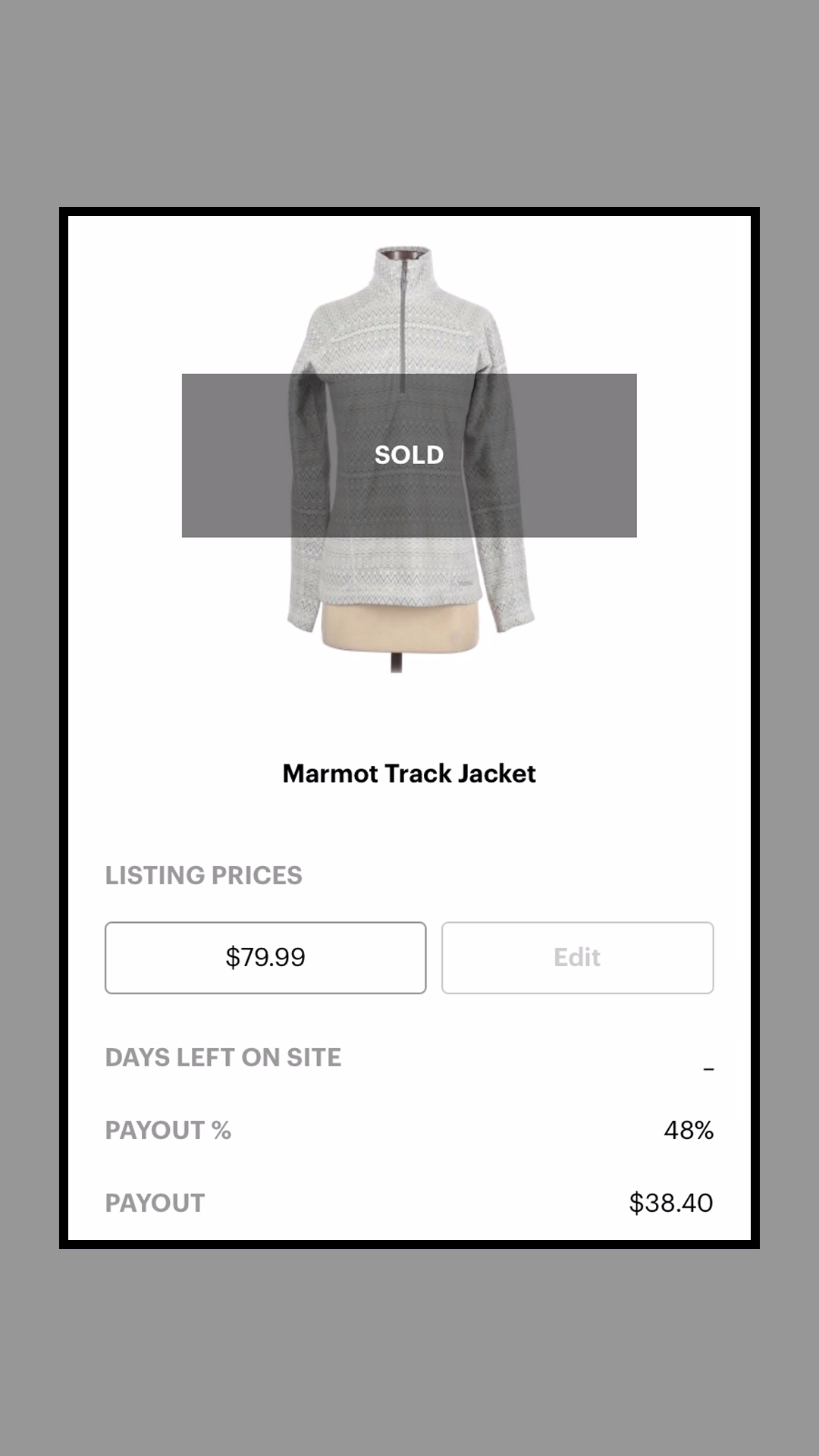
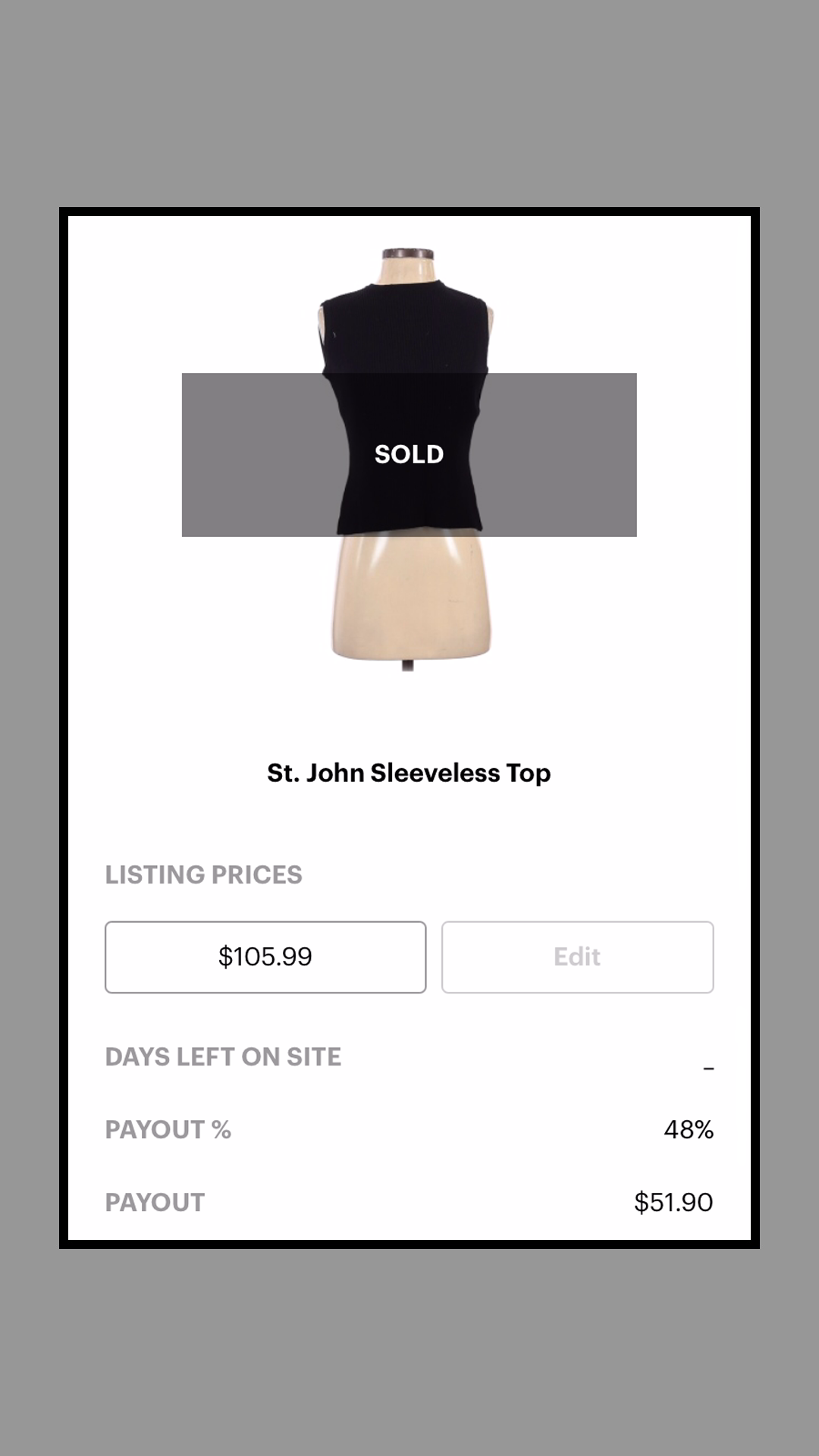
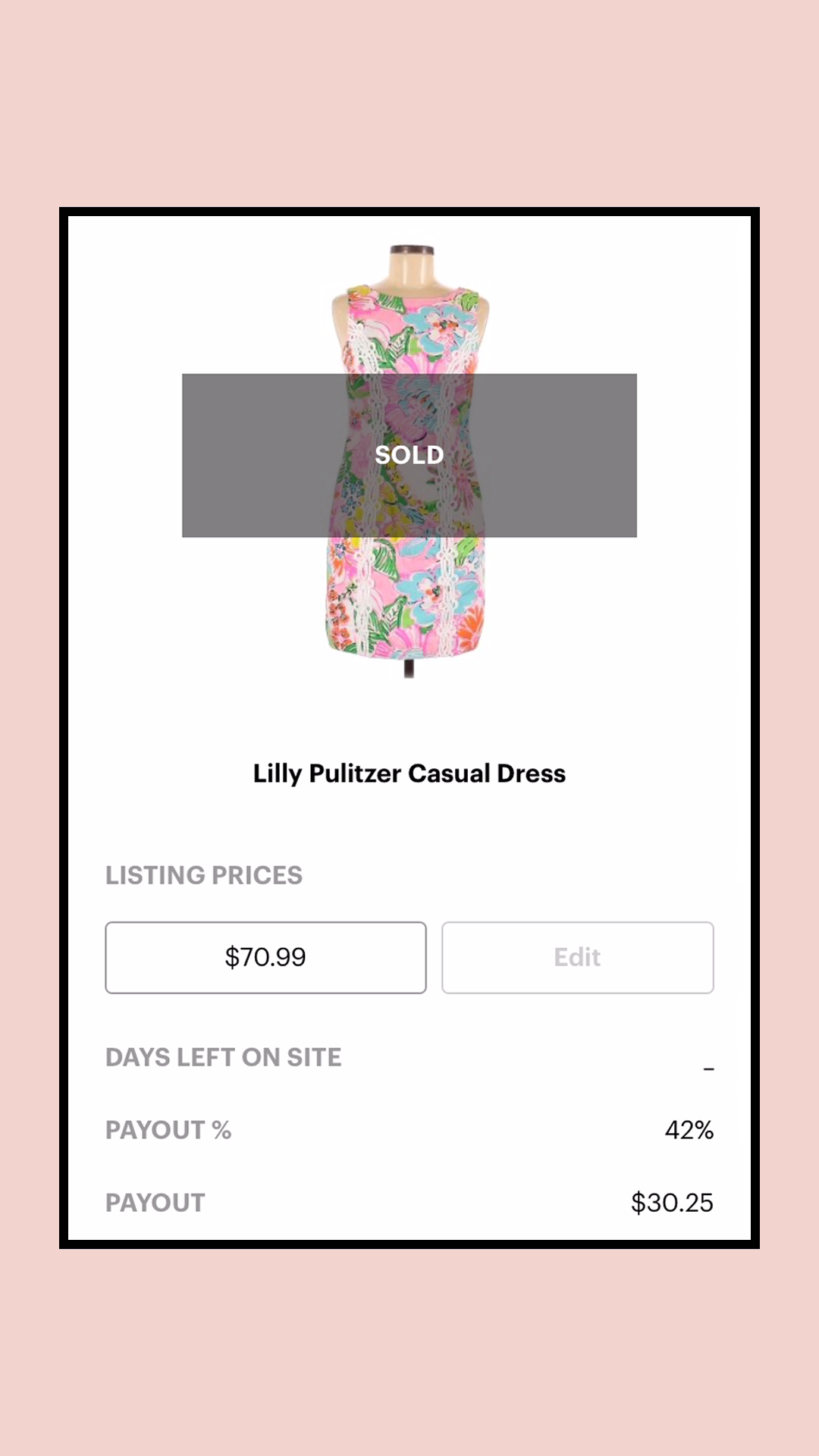
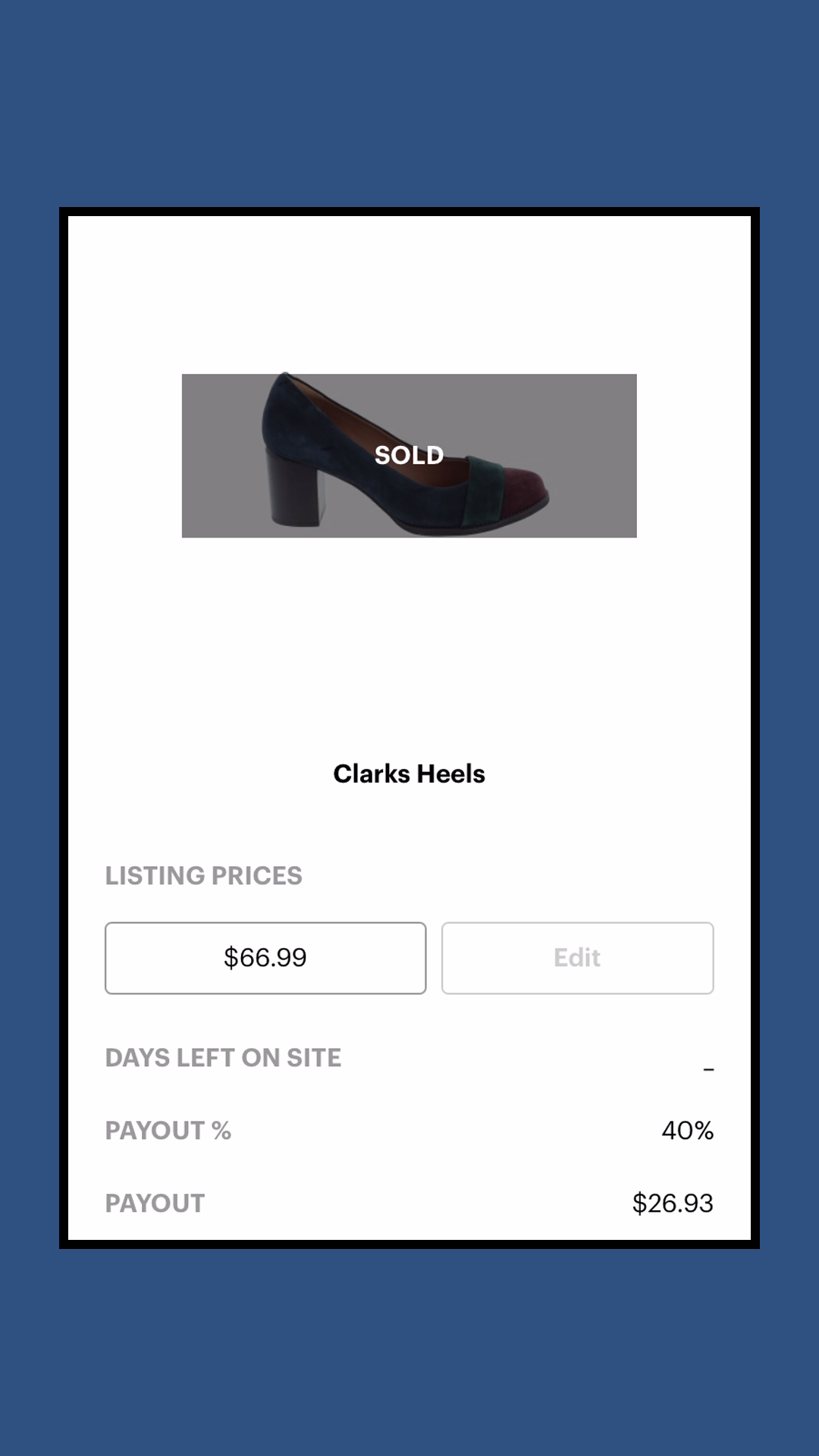
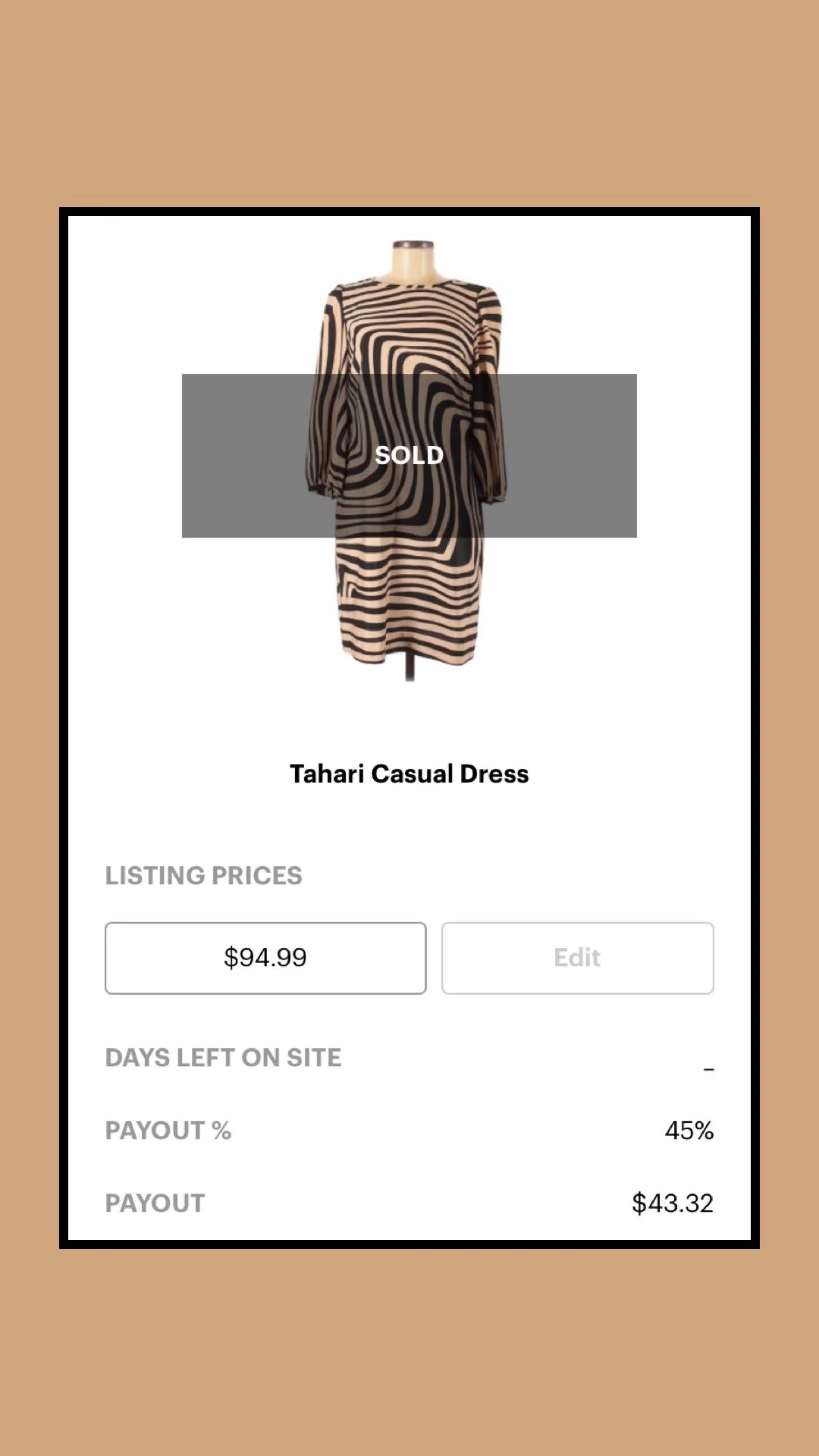
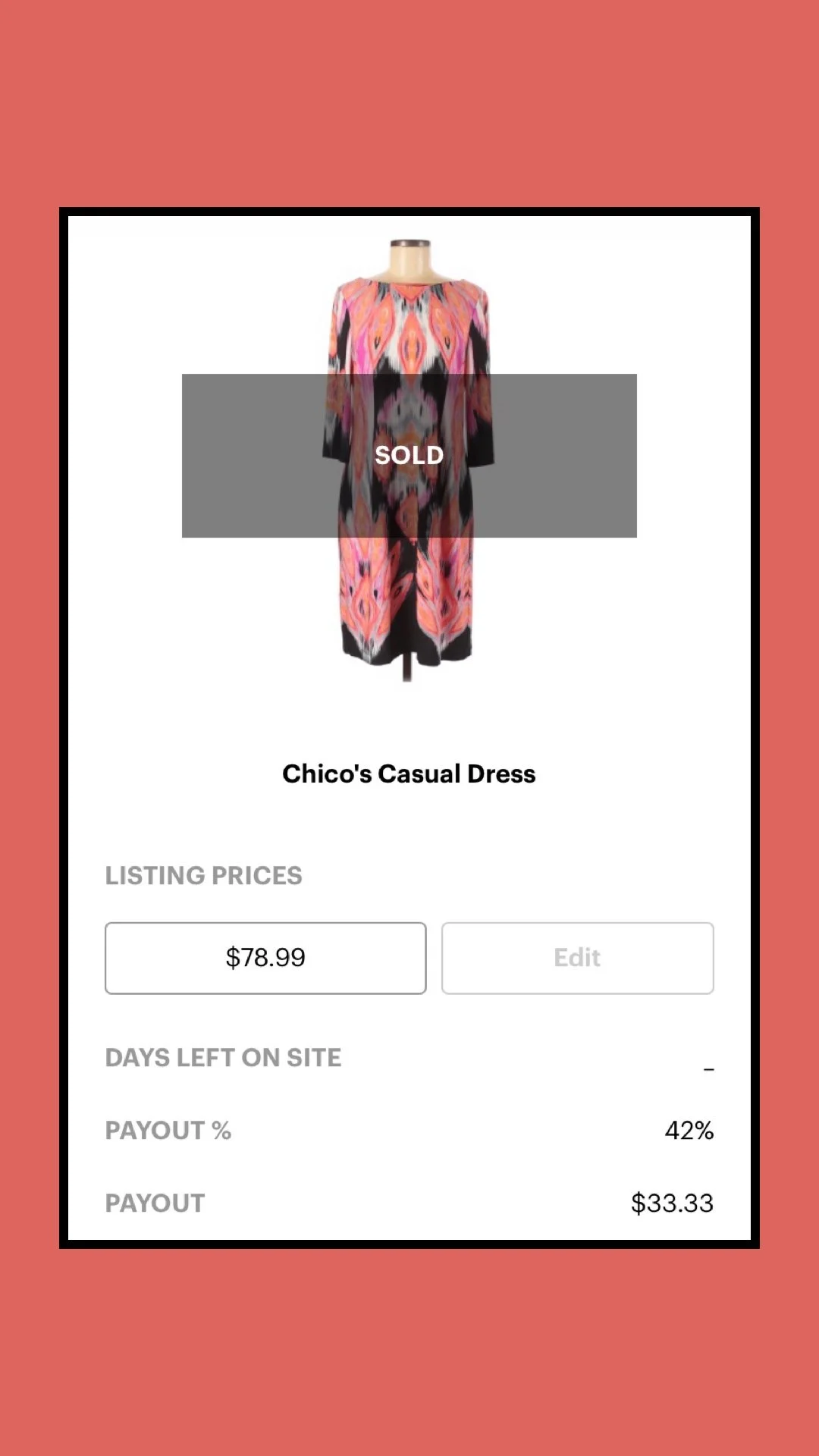
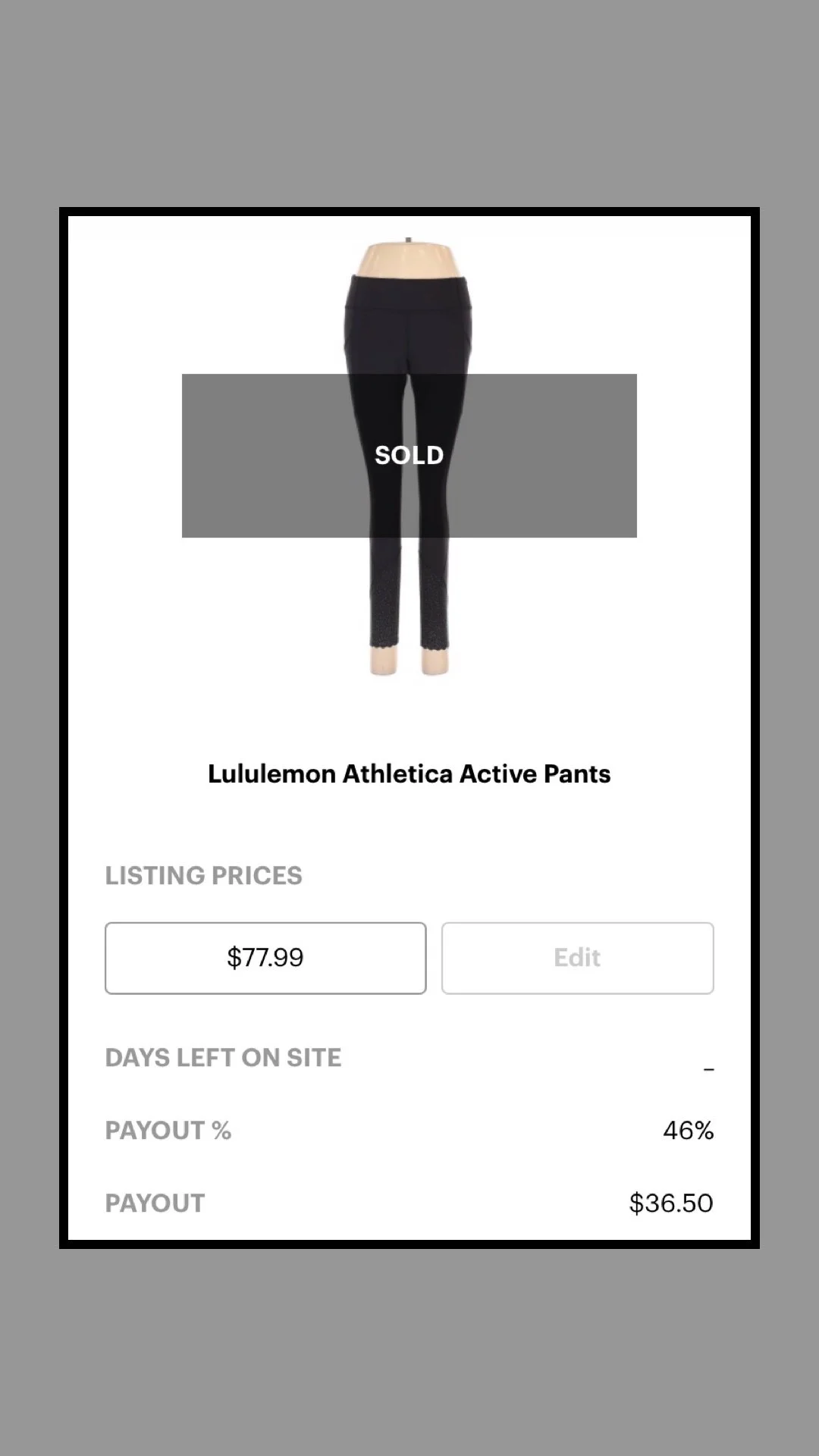
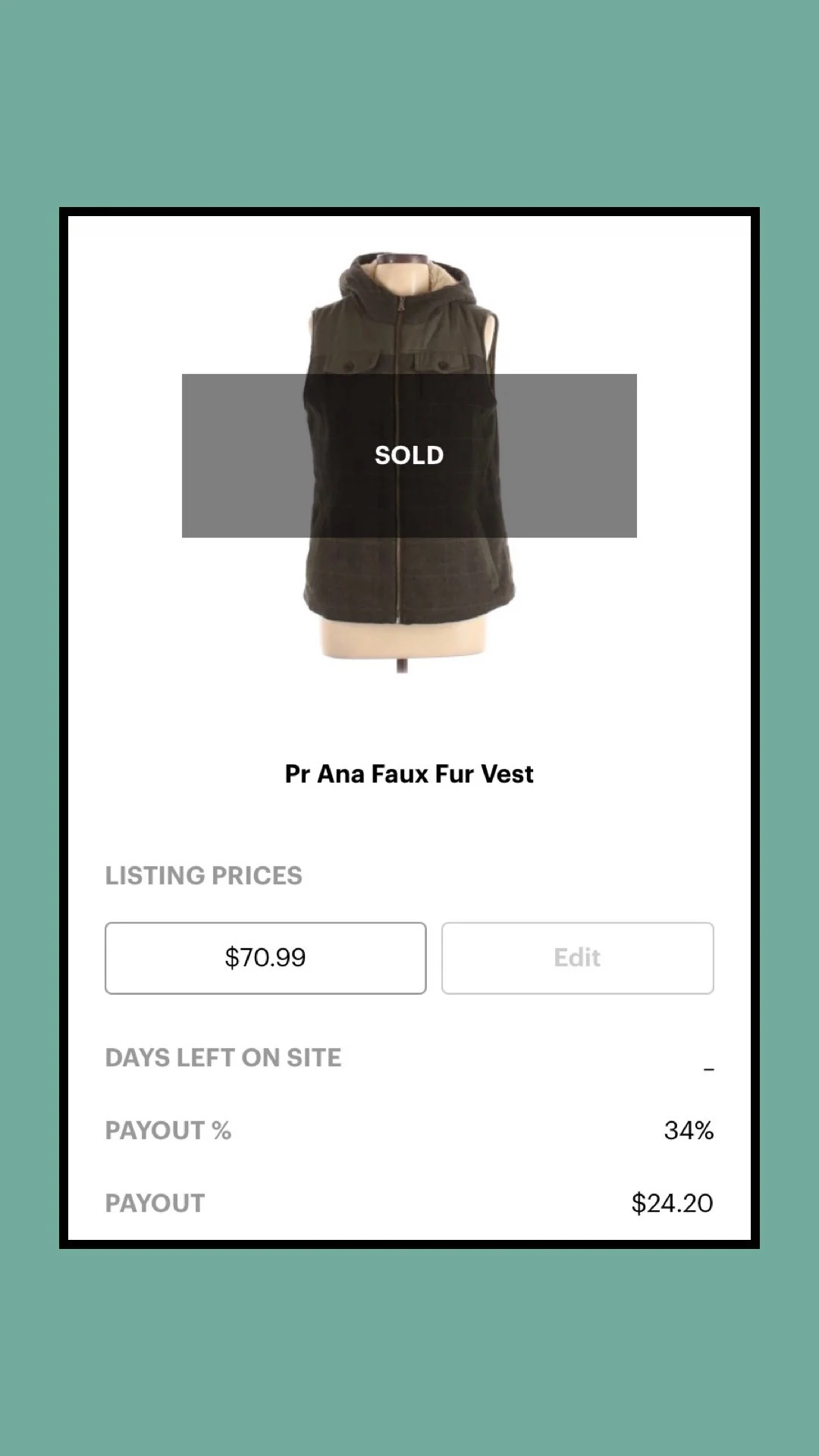
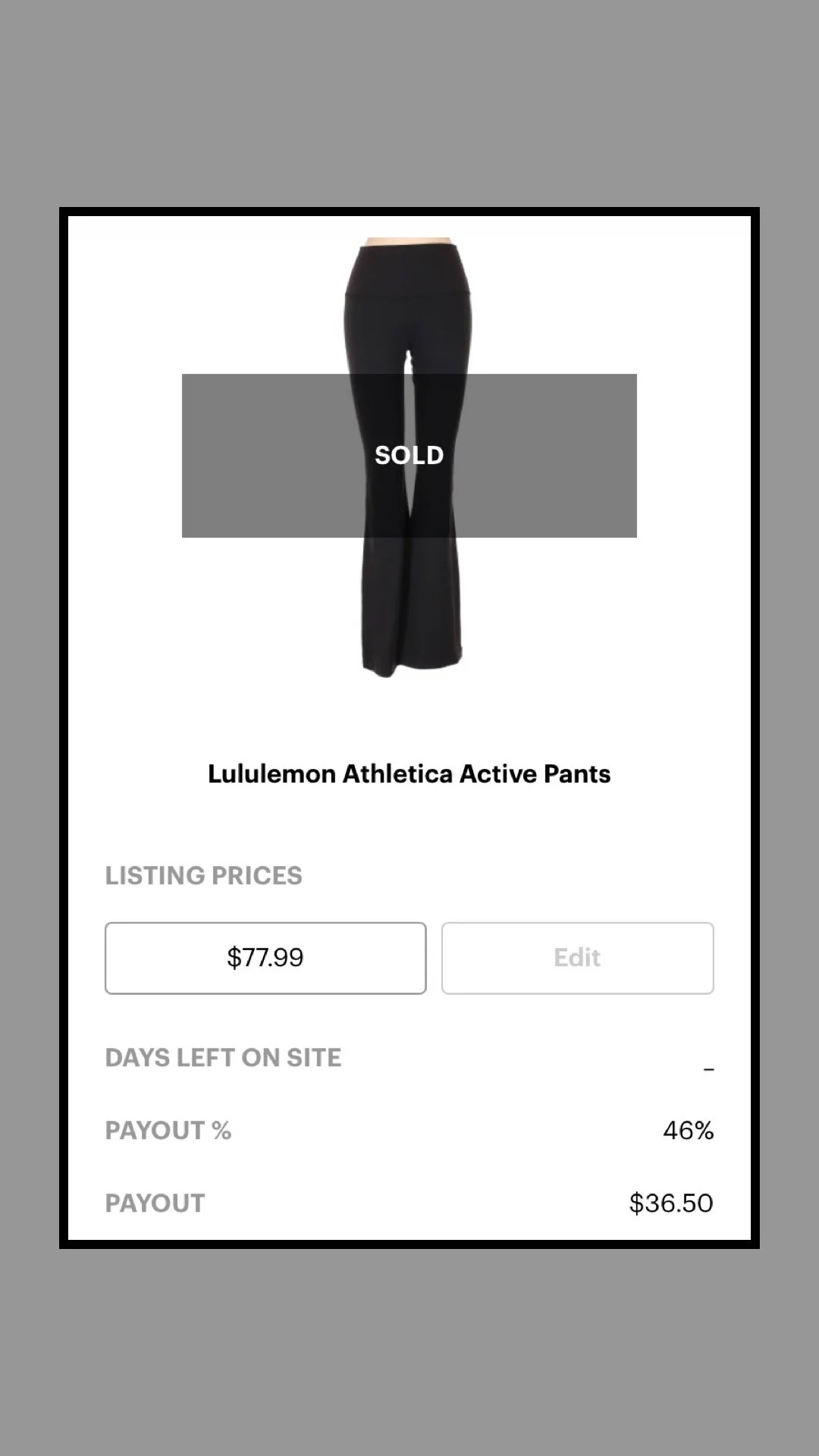
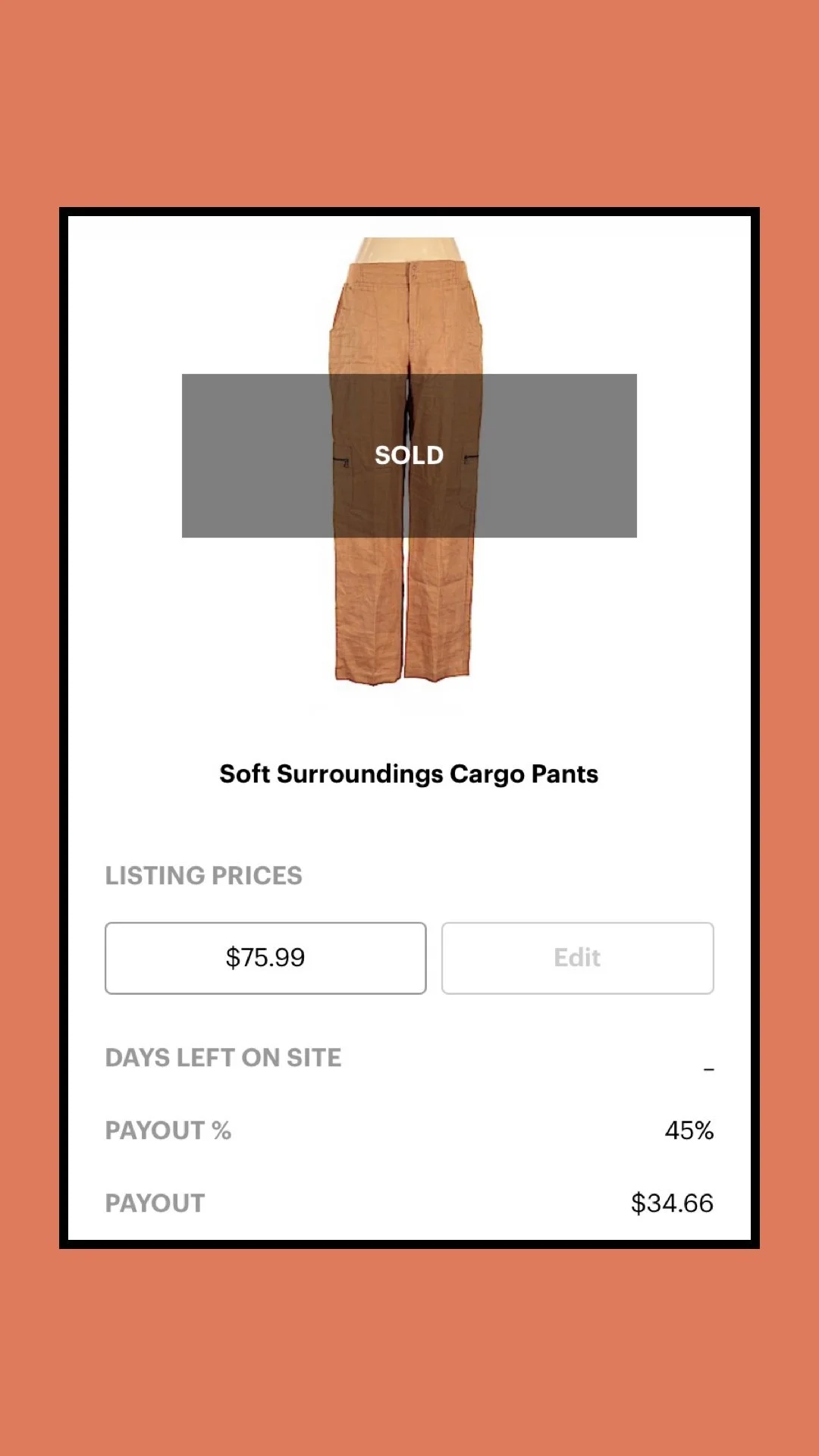
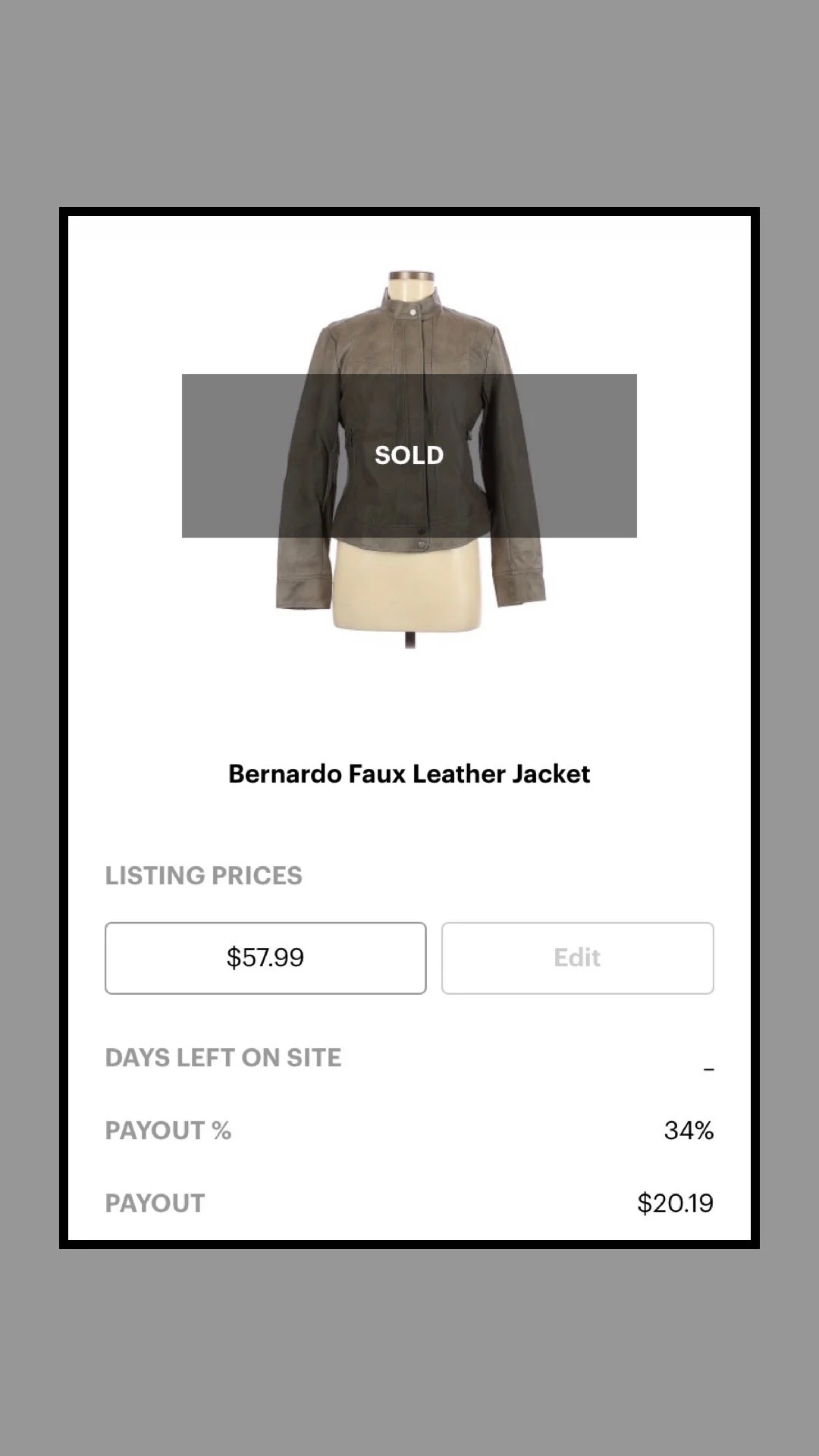
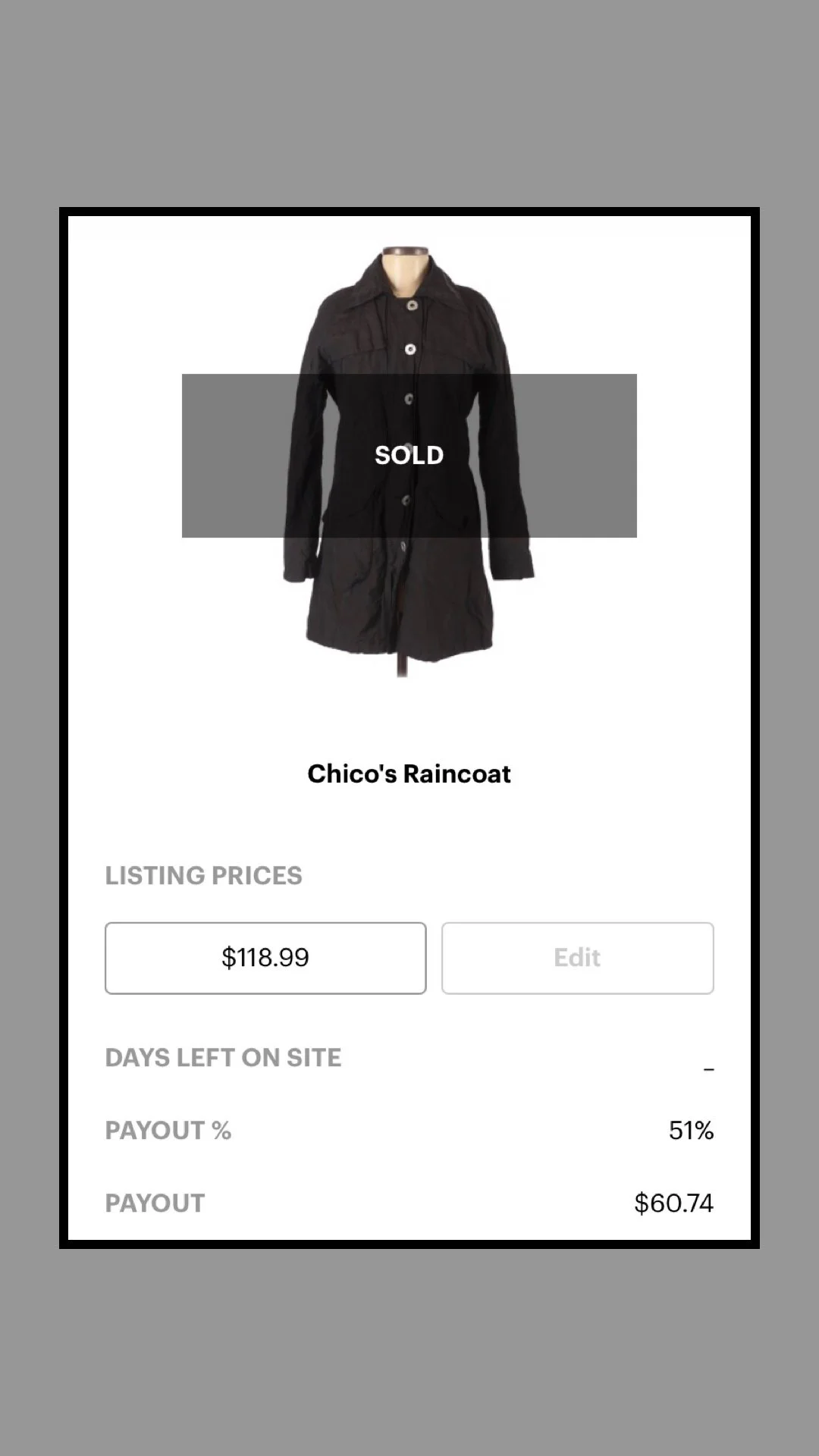
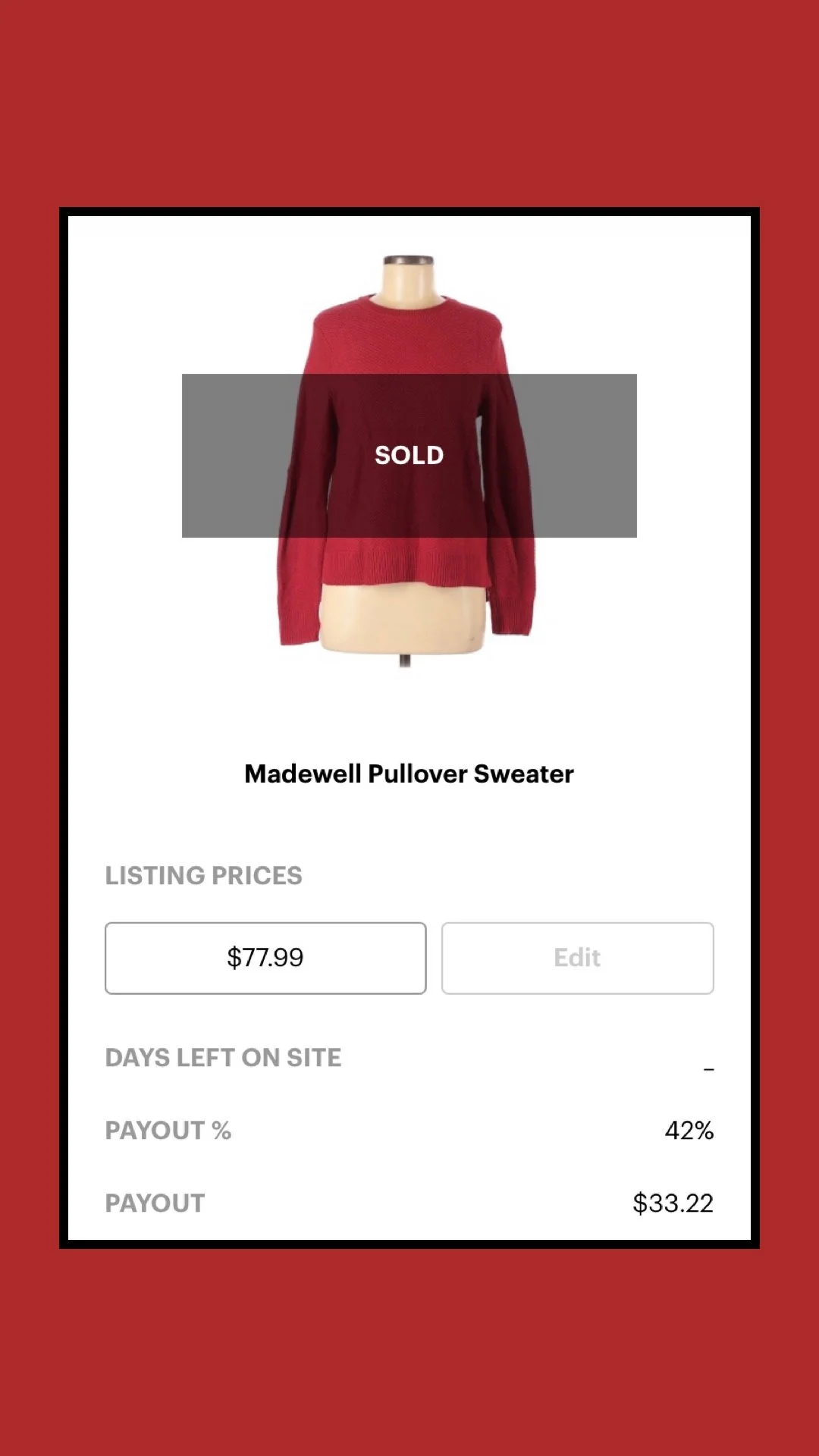
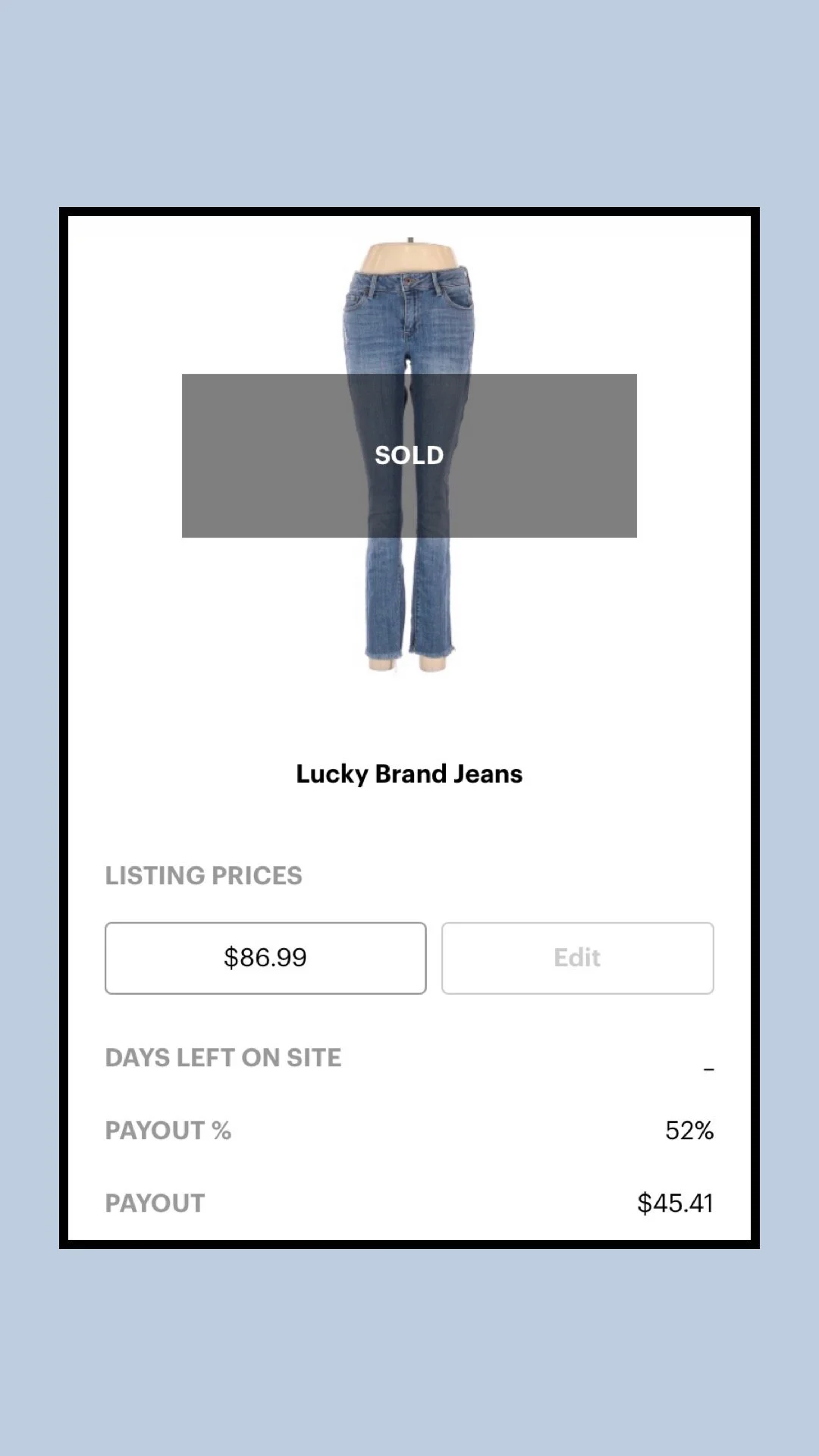
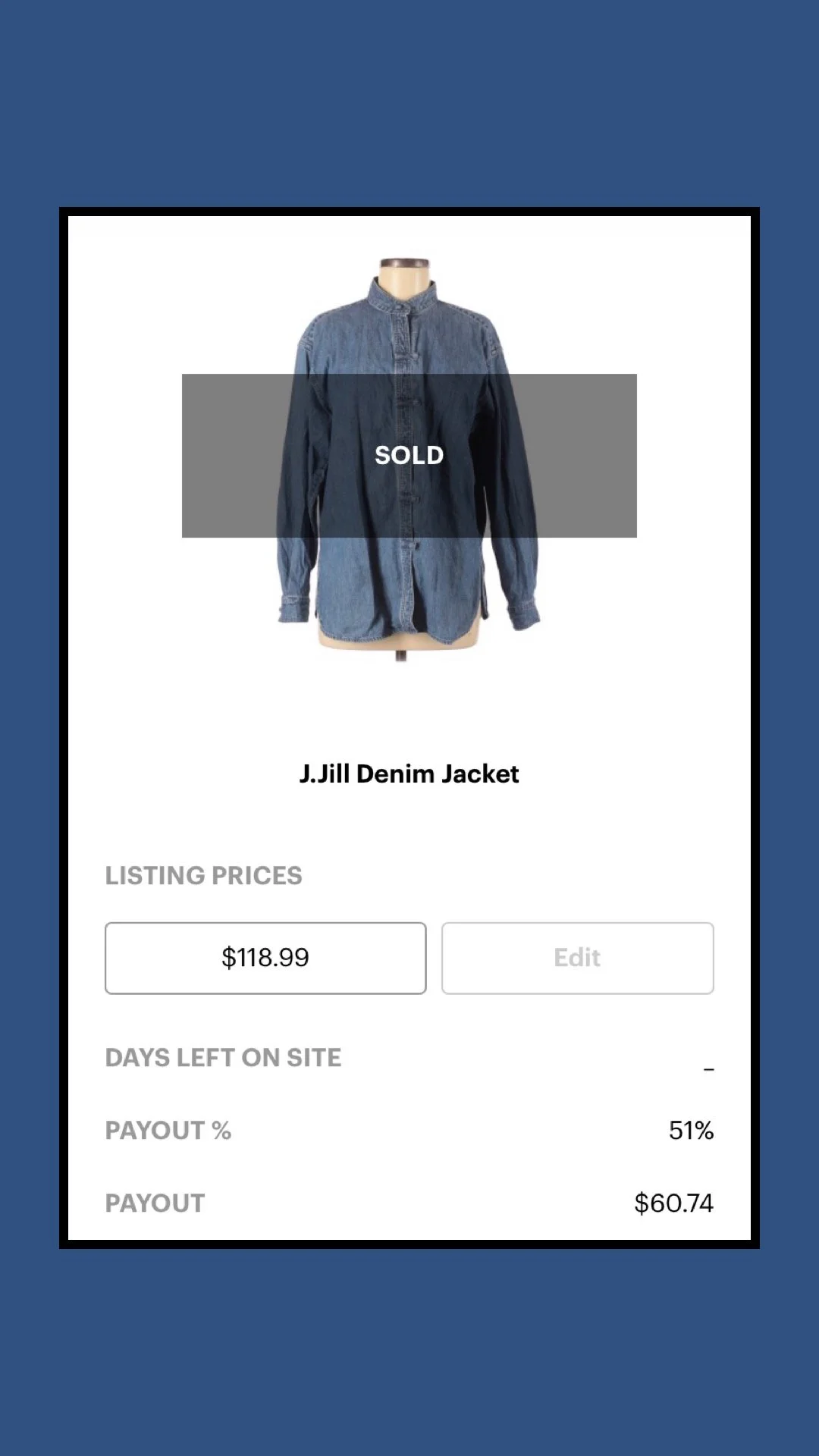
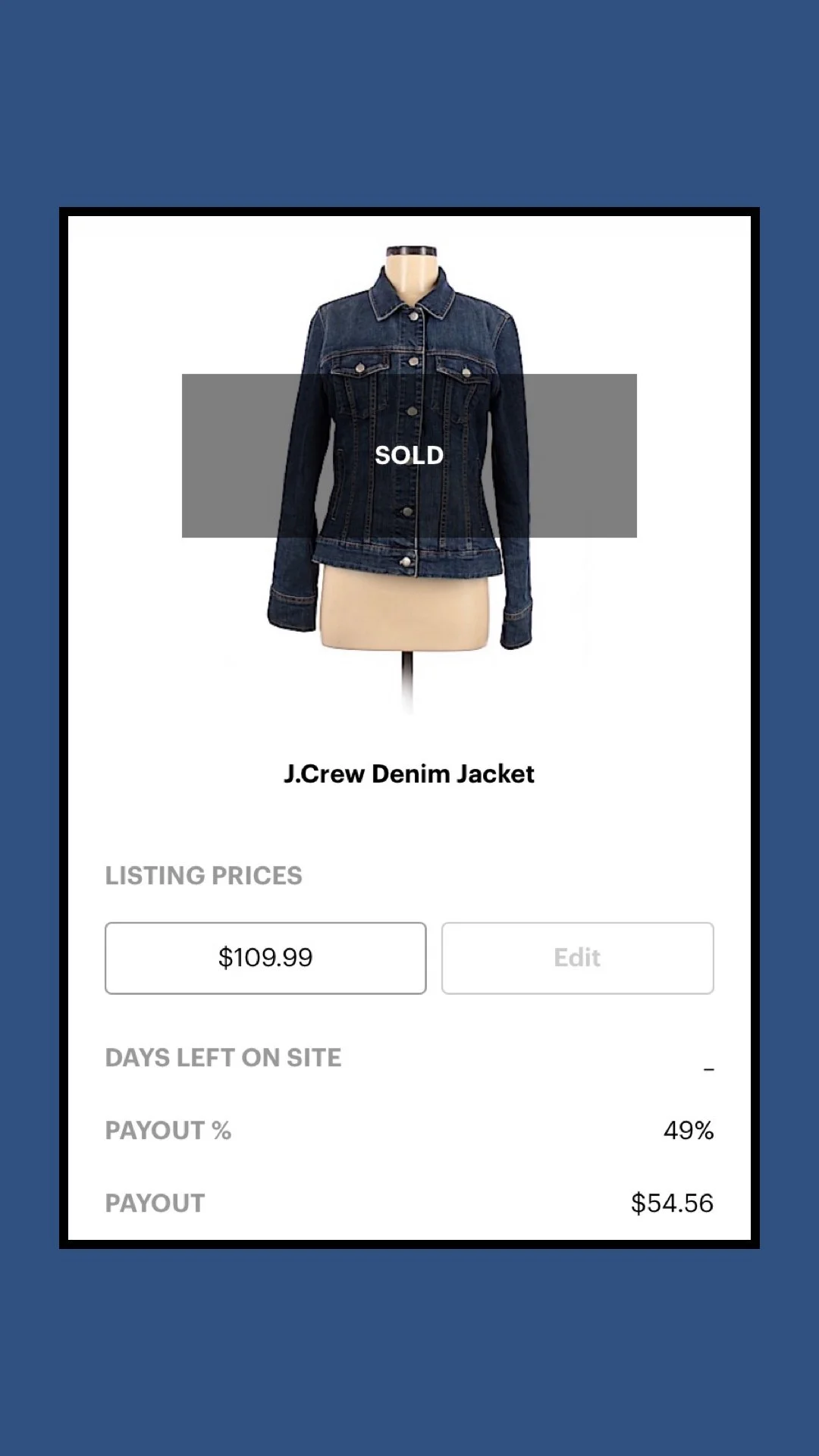
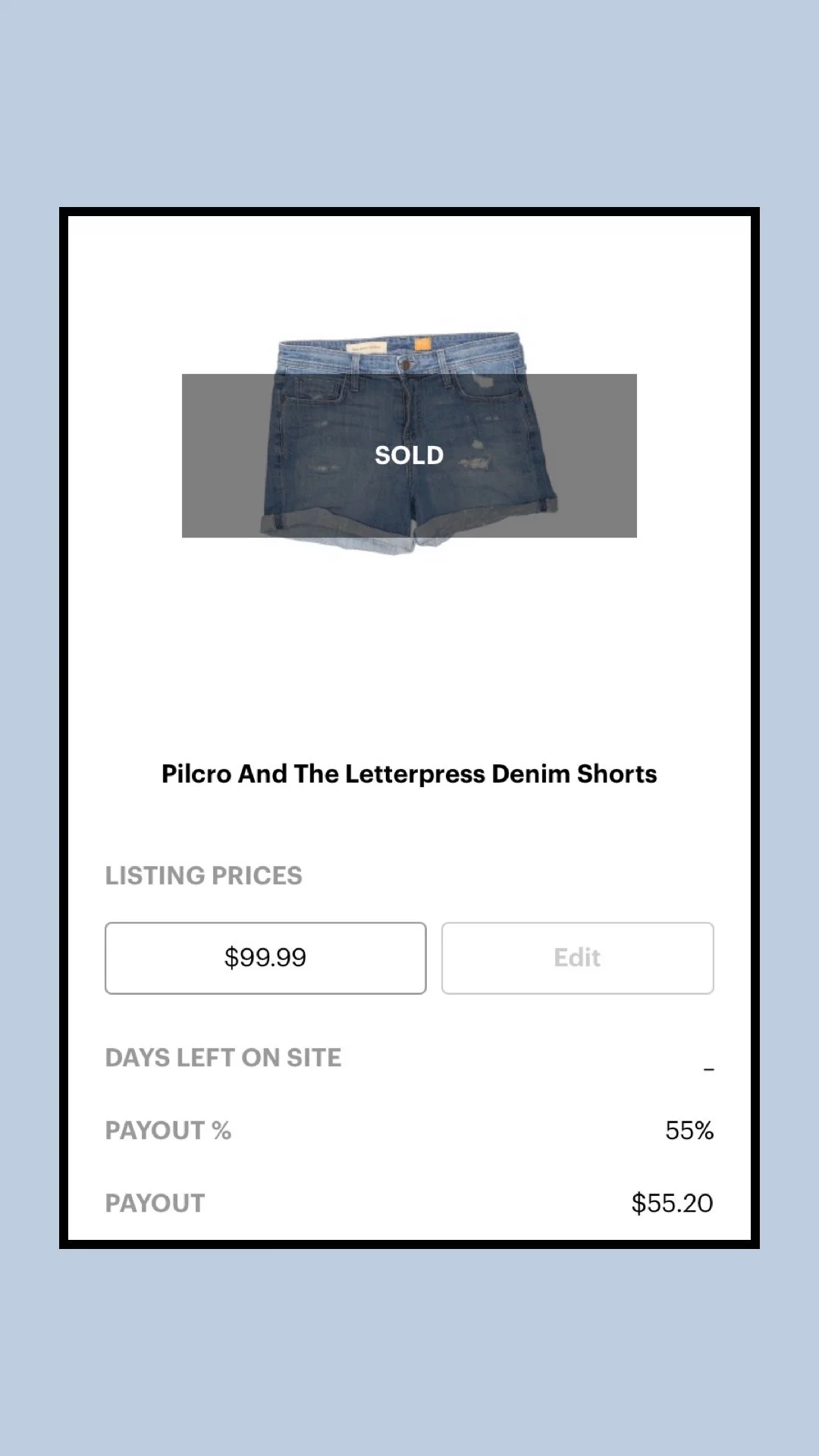
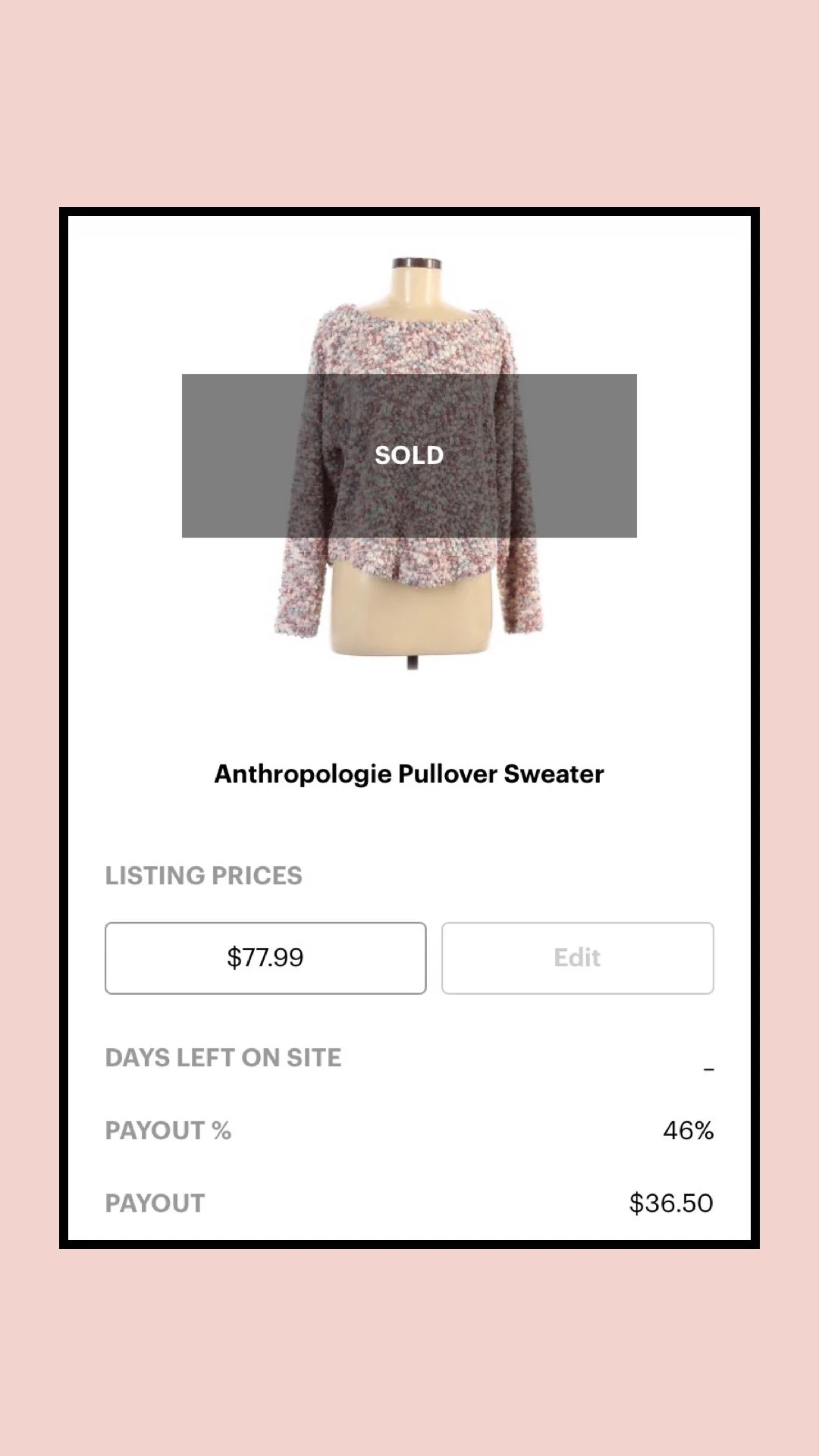
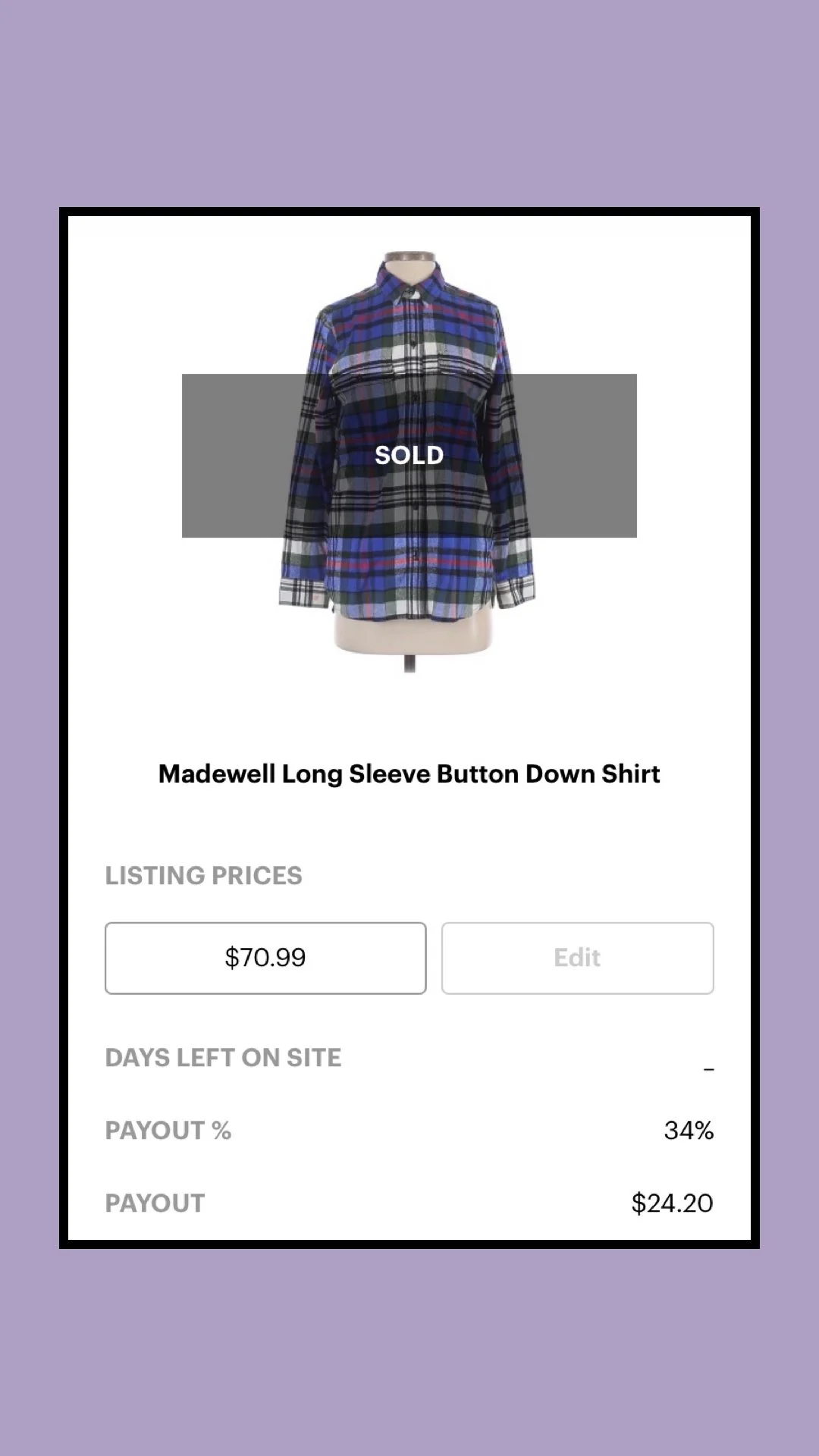
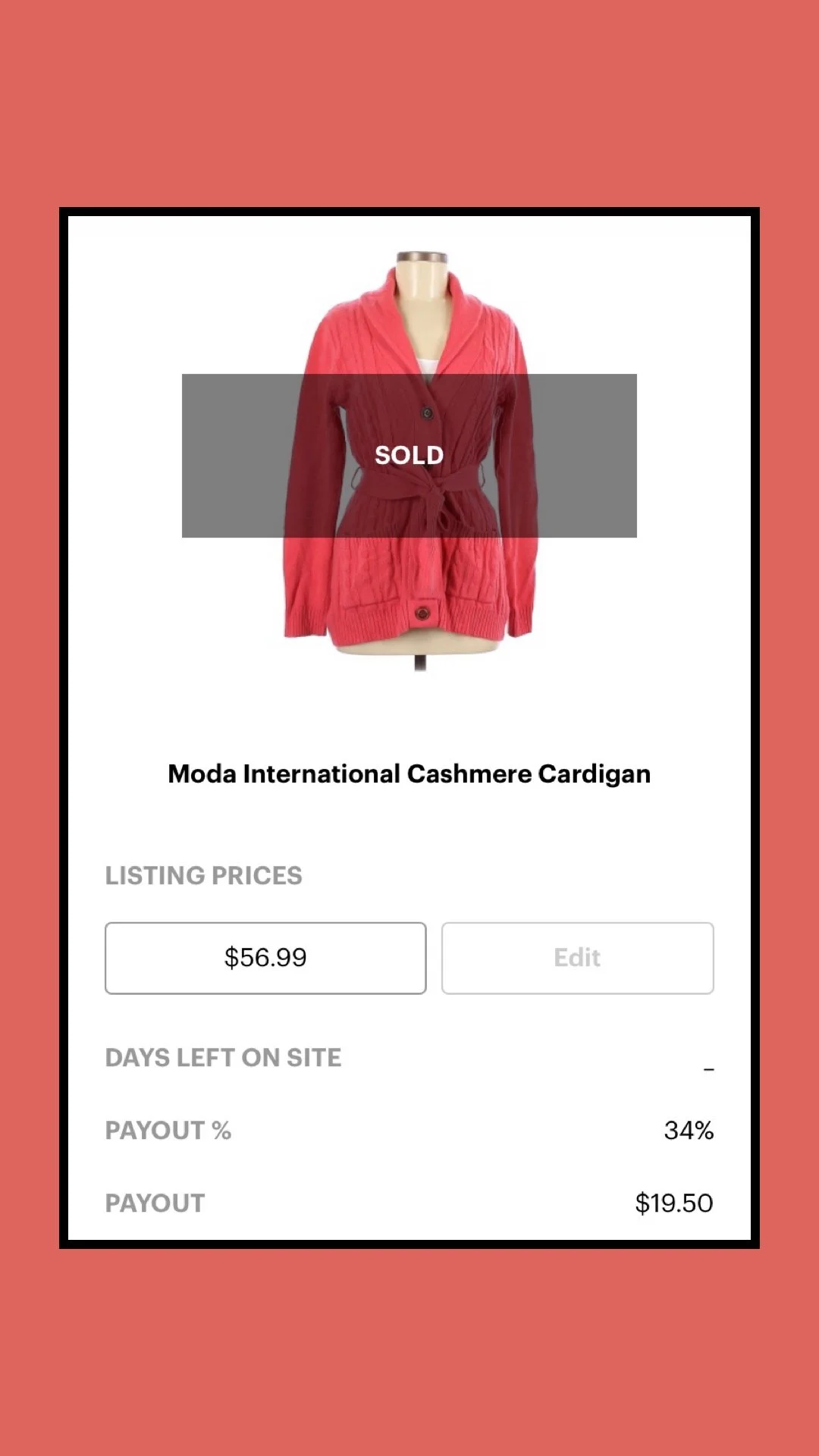
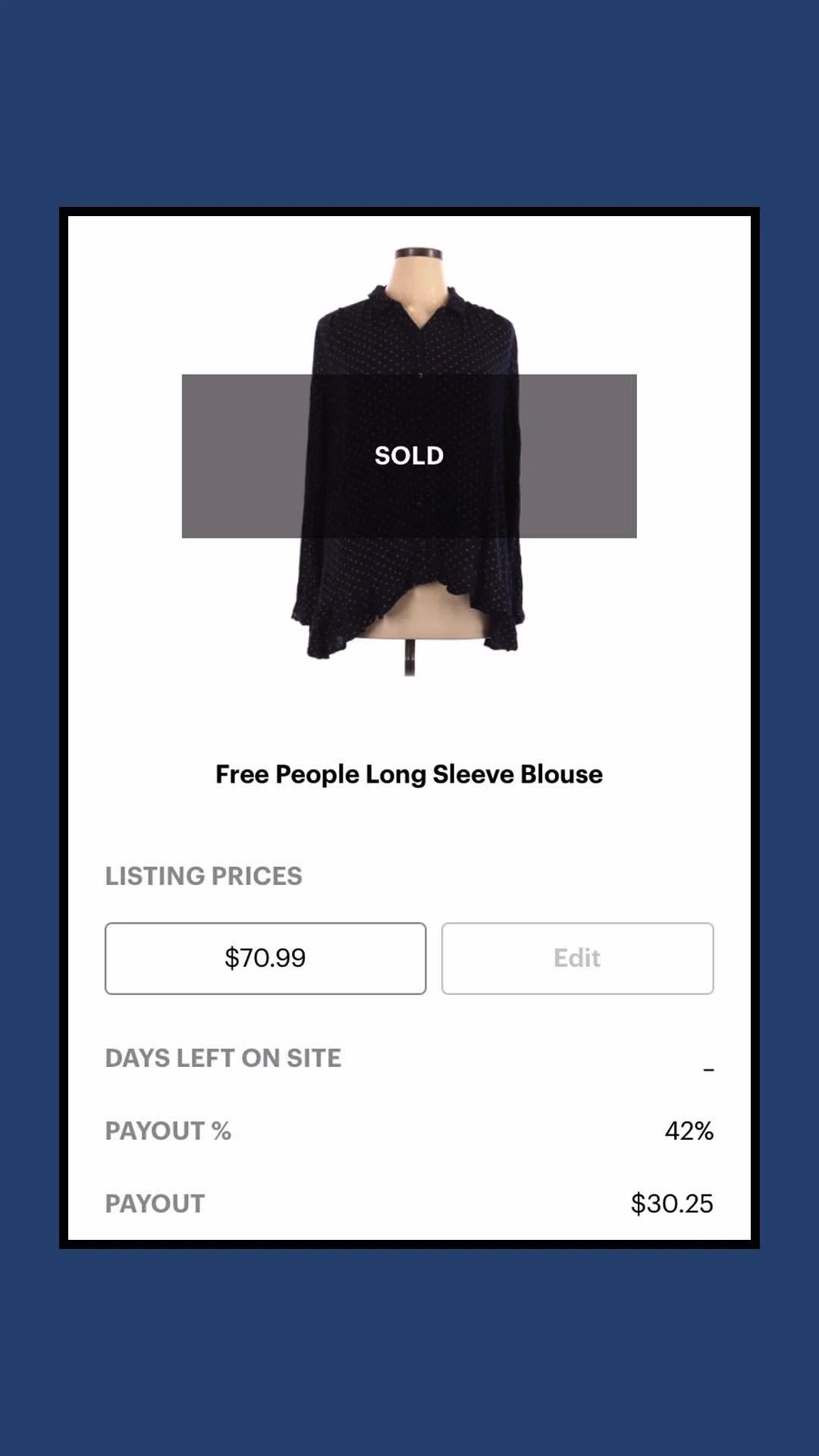
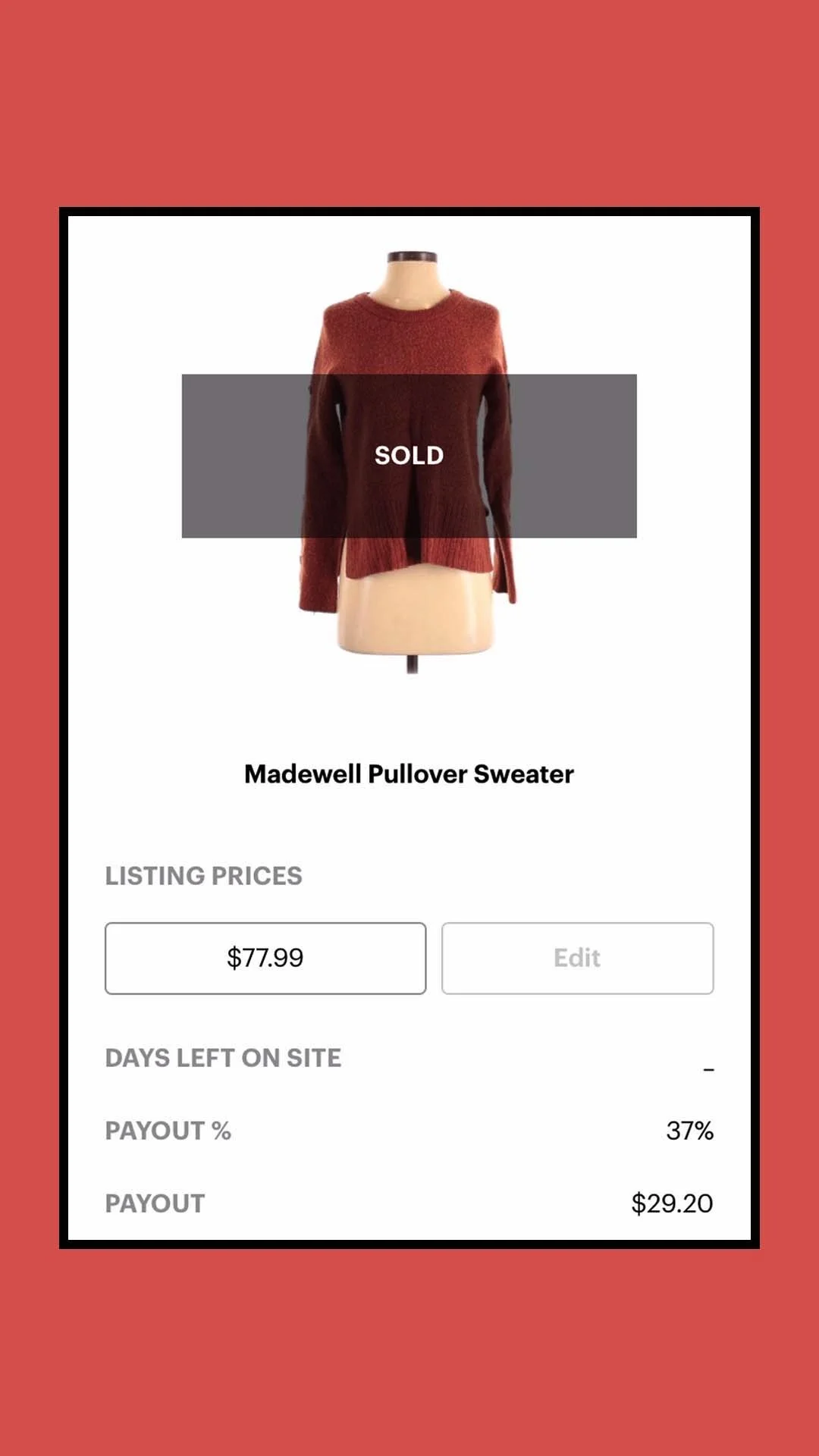
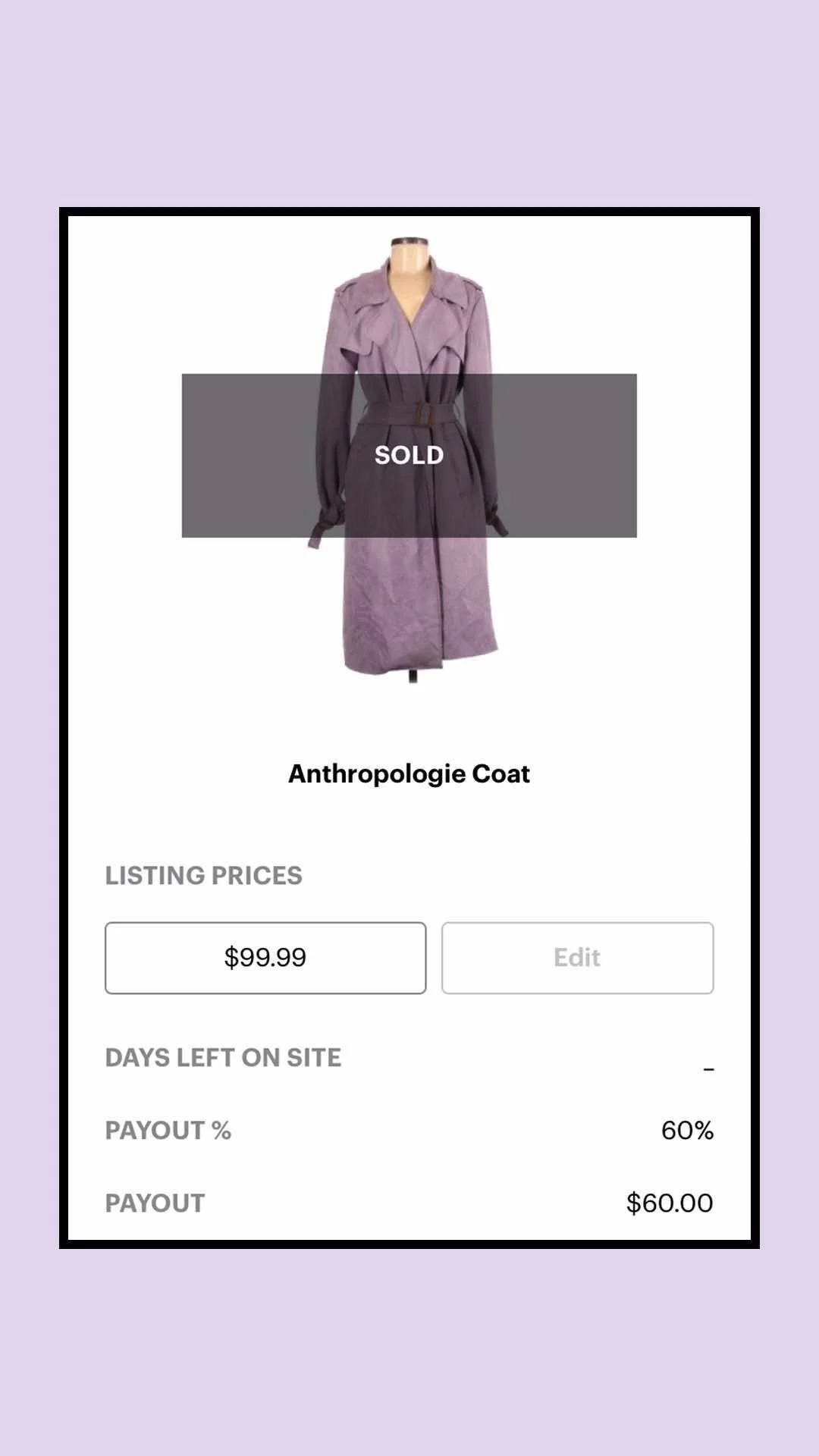
In 2020, I identified an operational gap in ThredUp’s business model and built a side business around it, selling 450 clothing items and generating $5,688.91 in revenue in just 10 months.
Backstory
During the early stages of the COVID-19 pandemic, ThredUp saw a surge in Clean Out Kit submissions as people cleared out their closets while staying home.
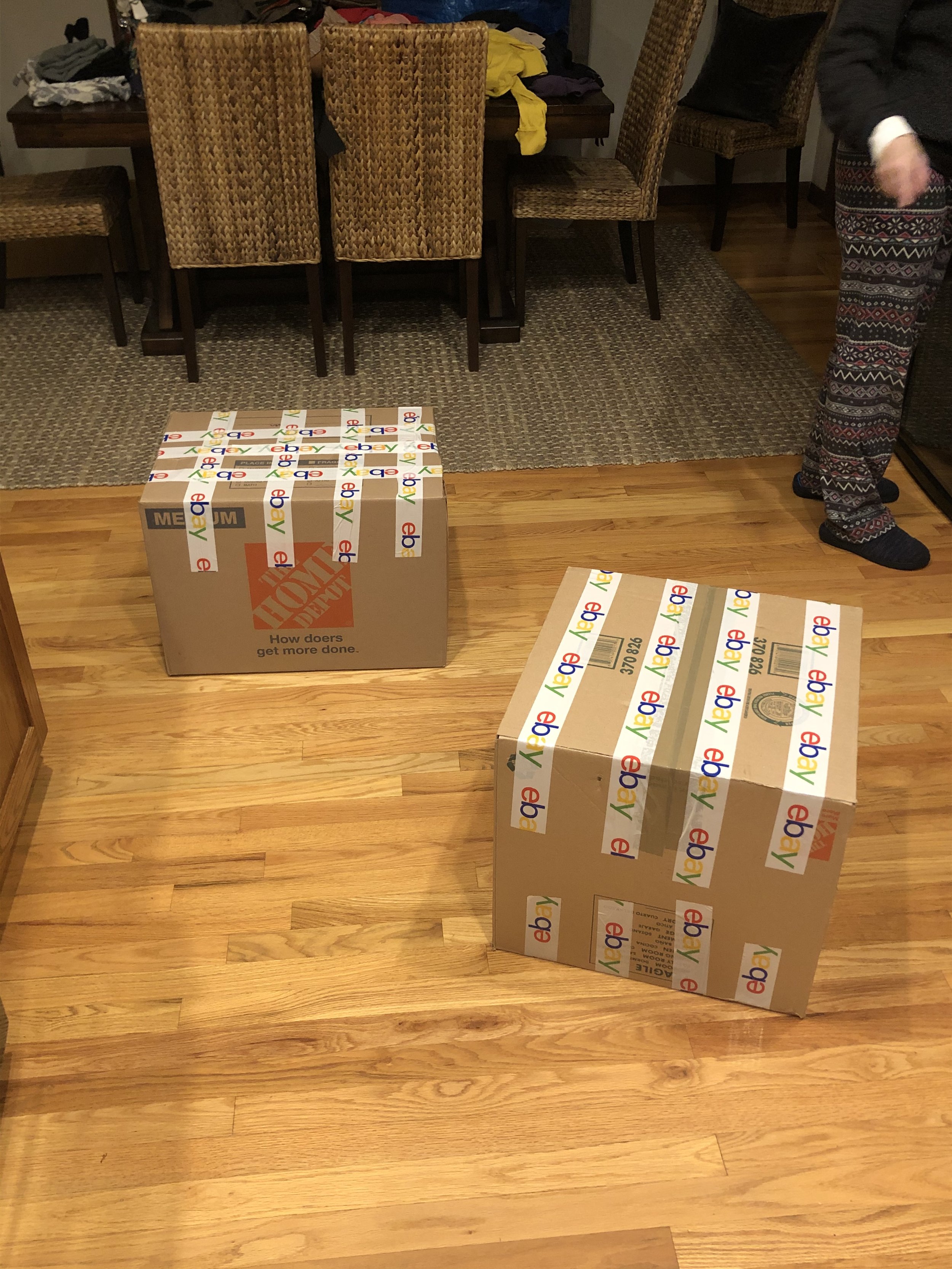
At the time, ThredUp’s standard process allowed users to request up to four physical Clean Out bags at once, with no strict deadline for returning them. Users could also generate prepaid shipping labels to send clothing in their own boxes. This combination made it possible to send in large volumes of clothing without paying anything upfront.
My mother and I realized we could take advantage of this system. We would go to the Goodwill Outlet, where clothing was sold by the pound, fill boxes with inexpensive clothing, generate ThredUp’s prepaid shipping labels, and send the boxes to ThredUp. We could repeat the process continuously, effectively using ThredUp as a way to move large quantities of clothing from the thrift outlet into its resale and donation system without paying for shipping ourselves.
We weren’t the only ones doing something similar. The system wasn’t an official “loophole,” but it created an operational gap that became increasingly stressed as submission volumes surged during the pandemic. ThredUp eventually experienced significant processing delays, with some Clean Out Kits taking more than seven weeks to process by late 2020. The backlog was driven by both increased demand and reduced staffing caused by COVID-related constraints.
By 2022, ThredUp began introducing fees for certain services, including printed shipping labels, and updated its policies to better manage submission volume and reduce strain on its operations.