Disc Jockey
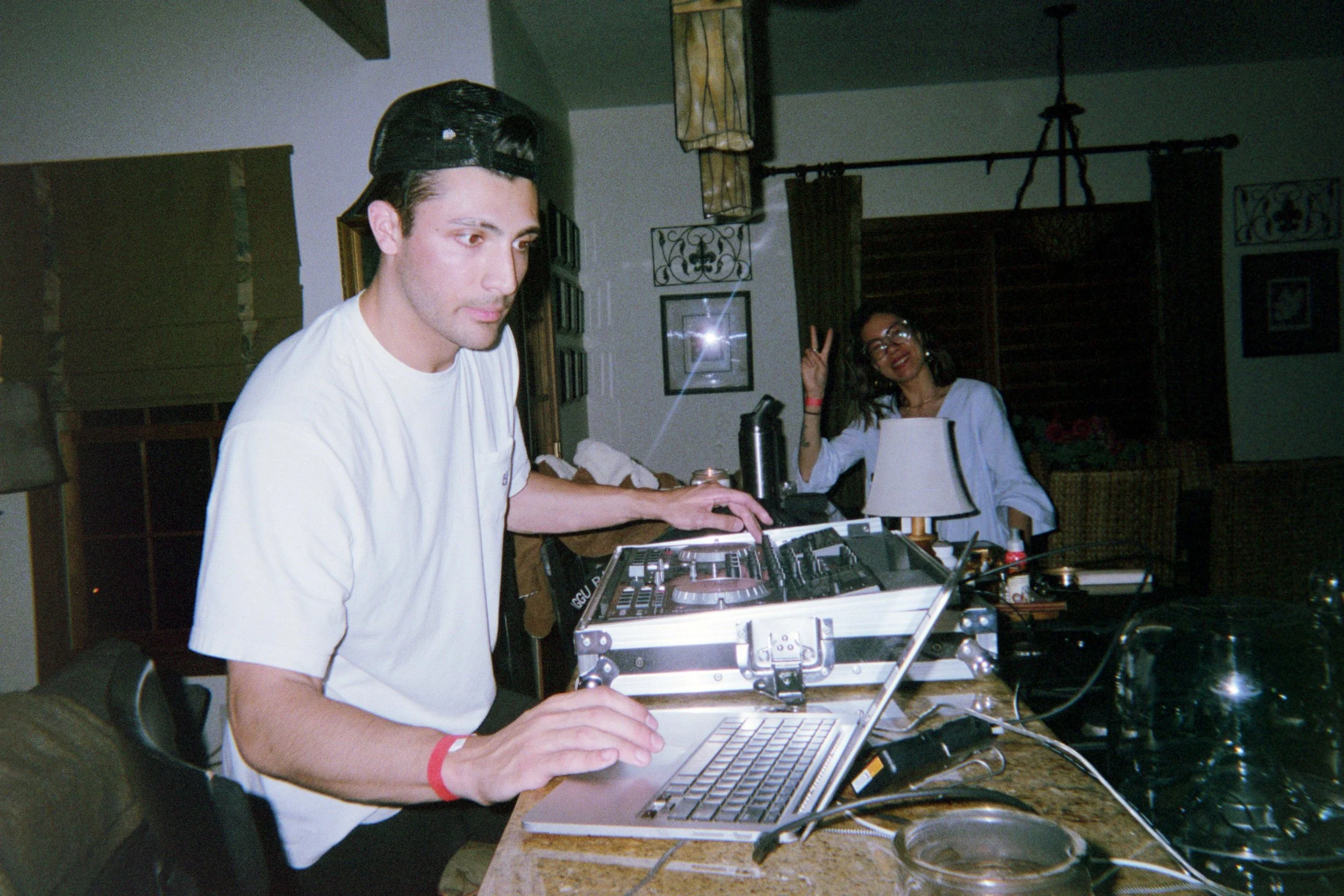
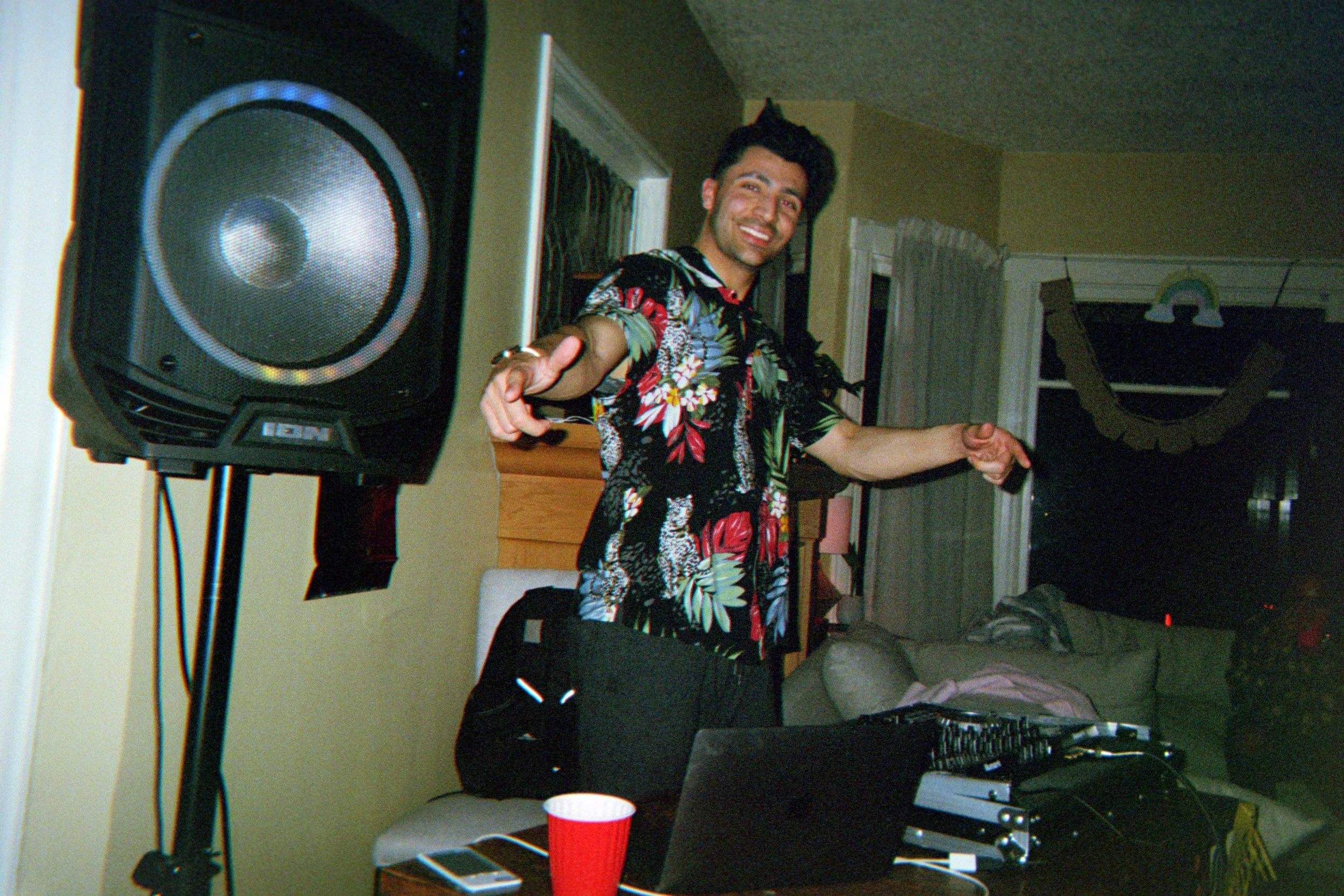
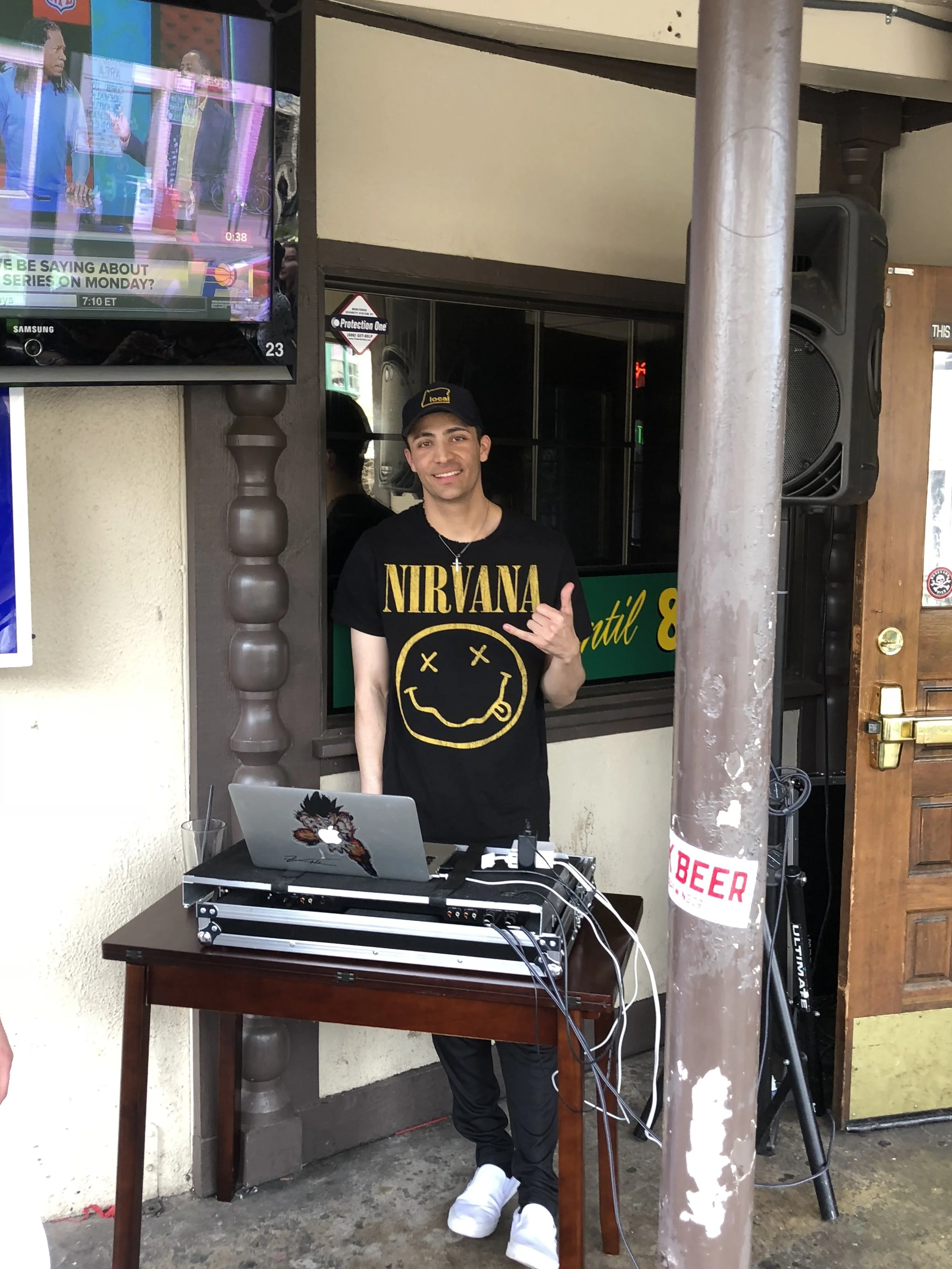
In college, I taught myself to DJ.
Backstory
I got into DJing because I wanted to improve the energy at my fraternity's parties. The catalyst was a night when a bad transition—an EDM remix that killed the room—made me realize how much control music actually had. It wasn't background noise; it was the experience.
During spring break, I downloaded VirtualDJ, bought a small controller, and spent the week teaching myself the basics. When I returned to campus, I asked the fraternity if I could DJ one of our upcoming parties. My first set wasn't polished. I missed transitions, made questionable song choices, and learned very quickly that reading a crowd was harder than mixing two songs together. But the experience confirmed that I wanted to get better.
Throughout the summer, I rebuilt my approach. I organized playlists by energy level, practiced transitions until they became second nature, and created short pre-built mixes so there was never dead air. Every party became another experiment, and every crowd taught me something new.
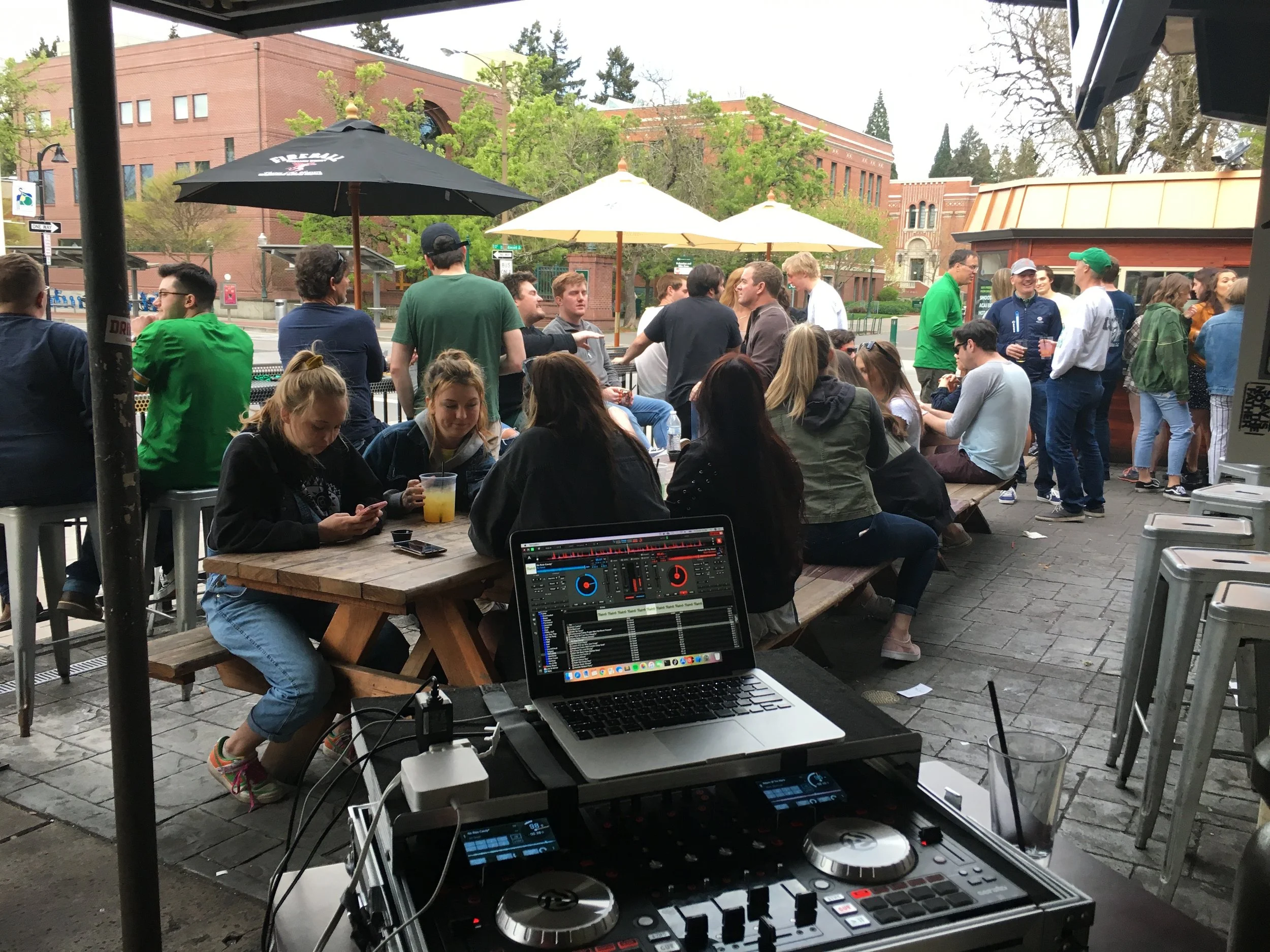
As I became more confident, I started spending time at local bars watching experienced DJs work. I paid attention to how they reacted when the dance floor changed, when to switch genres, and how they kept people engaged for hours. After months of showing up and building relationships, I was offered my first opportunity to DJ at Taylor's Bar & Grill.
One of my favorite nights came on my 23rd birthday, after I had already graduated. I returned to DJ at the fraternity house, and we transformed the basement into a full black-light room. Packed wall to wall, it felt more like a nightclub than a college house party. Every transition landed, the dance floor never emptied, and the energy kept building until the police finally shut the party down.
DJing taught me that small choices shape entire environments. You're not just playing songs—you're controlling momentum, reading people in real time, and creating an experience they'll remember long after the music stops.