Why I Left Oregon
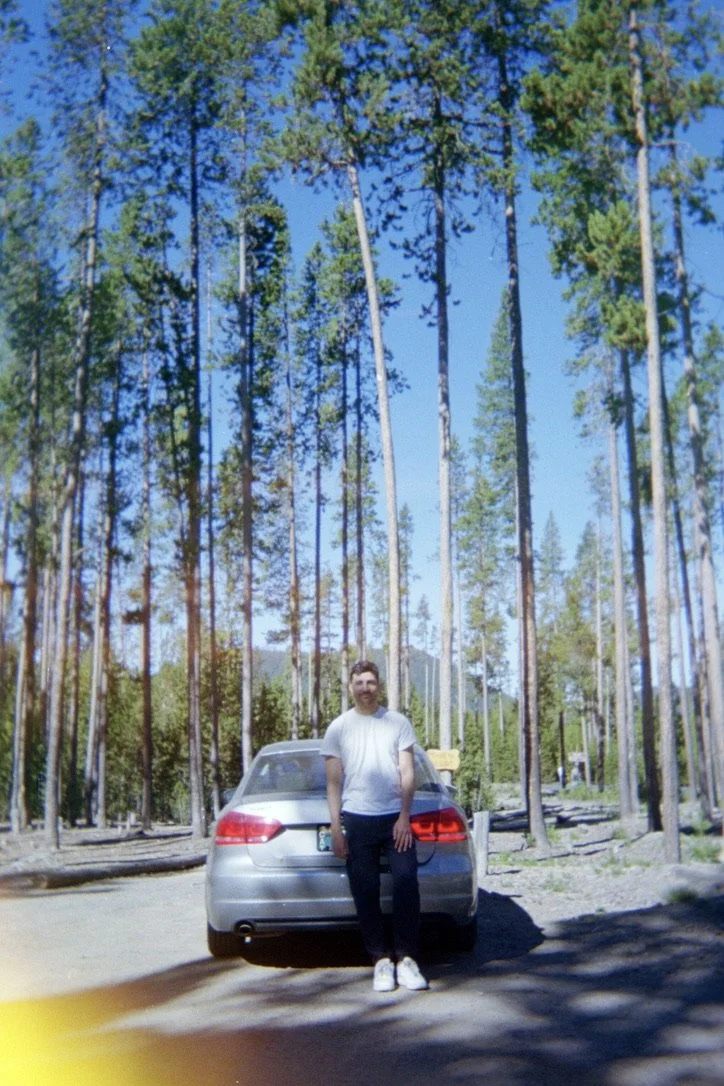
My time in Oregon came to an abrupt, inglorious end.
During the The COVID-19 pandemic, I had quietly—and successfully—doubled my income to just over $100K by age 25, working two remote SEO jobs for about a year and a half. Then, in the fall of 2022, I lost both roles amid a broader economic downturn.
From there, things unraveled quickly. I made a series of poor decisions—starting with quitting my remaining job. Then, on the flight back from a week-long trip to Mexico, I found out my crypto brokerage, FTX, had collapsed, wiping out $1,300. Just weeks earlier, I had already lost both SEO roles. Trying to pivot, I began reaching out to founders of ad agencies in Portland, exploring a transition into advertising—something I’d been interested in for a while.
I had conversations with several agency executives, but no offers came through. One of them told me plainly that agencies likely wouldn’t be hiring again until the following year. I shifted back to applying for remote SEO roles, but the market had dried up—job listings on LinkedIn and Indeed were noticeably scarce compared to just a few months prior.
Meanwhile, expenses kept piling up. Between rent, COBRA insurance, and credit card bills, I was burning through roughly $2,000 a month. I considered staying with my mom and stepfather in Portland, but they were in the middle of packing up their home to sell. My dad suggested I come back to Green Bay.
Leaving Portland wasn’t easy. I was walking away from close friends and the Pacific Northwest—a place I had grown deeply attached to. But with so much financial uncertainty, the decision became clear. I needed to protect what I had built during those years of working two jobs. It was one of the hardest decisions I’ve made, but also one of the most necessary.
In hindsight, I’ve realized that even if I had landed another SEO role in Portland, it likely wouldn’t have been enough. One salary, without family support, wouldn’t have sustained the lifestyle. Maintaining two incomes had been essential in a high cost-of-living city like Portland—a realization that only fully set in after I left. At this stage in my career, returning to the Pacific Northwest isn’t realistic in the near term, though I’d like to think it’s possible someday.
I’ve always believed that you have to treat yourself like a business—making decisions based on long-term strategy, not short-term emotion. I might have been able to scrape by in Portland, but it wouldn’t have aligned with the pace or trajectory I’ve set for my financial goals.
That said, Oregon still means a lot to me. Even living alone, I found a deep sense of peace in its landscapes. It reminded me of childhood summers and the eight years I spent there after high school. You don’t spend that long somewhere without forming real emotional ties. Leaving was one of the hardest—and proudest—decisions I’ve made. I remember driving back to Wisconsin with tears in my eyes, and it took months to fully come to terms with the transition. Accepting that cost of living made staying unsustainable helped me move forward without constantly looking back.
What I didn’t realize at the time was how important the move would be for my family.
By late 2023—nearly a year after returning—I began to see that being in Wisconsin mattered in a different way. During my time away, my dad had fallen into unhealthy patterns—neglecting exercise, diet, and overall self-care, along with adopting a more negative outlook on life. Being home gave me the opportunity to step in—not just to help around the house, but to support a real shift in his habits and mindset.
That experience ended up being more meaningful than anything else I’d been focused on. I was there as he transitioned into retirement, helping him rebuild healthier routines—and at the same time, I got to spend meaningful time with my grandfather in his final years.
Looking back, I know I made the right call.